Favorite People Call Sister Sunflower Review
As a designer who spends half my day staring at stitch charts and the other half troubleshooting tension issues on vintage machines, I approach every new digital asset with a healthy dose of skepticism. The market is flooded with generic clipart masquerading as embroidery files, so when Favorite People Call Sister Sunflower landed in my inbox, I didn’t just look at the preview image—I looked at how it would actually behave under the needle. This review breaks down whether this design belongs in your personal craft box or if it has the commercial viability needed for an Etsy shop or boutique inventory.
First Impressions: Mood and Visual Personality
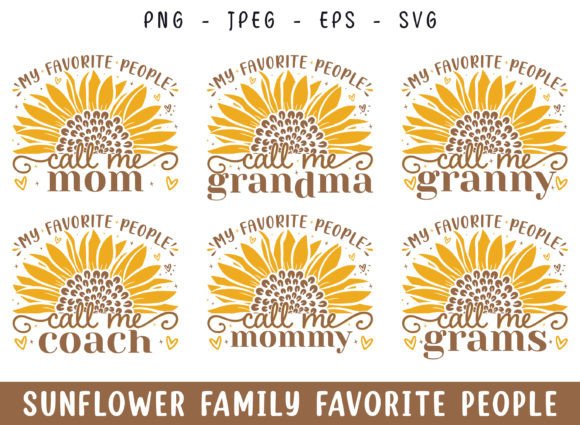
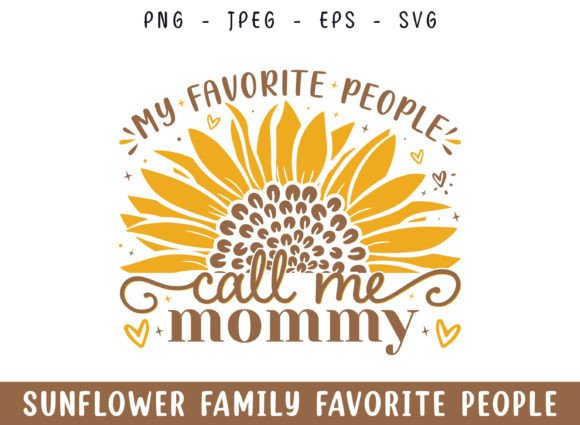
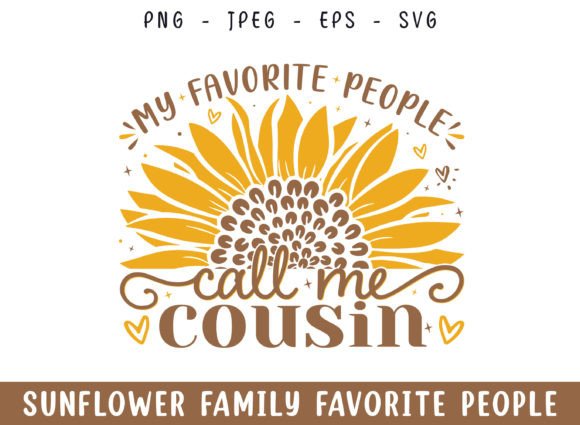
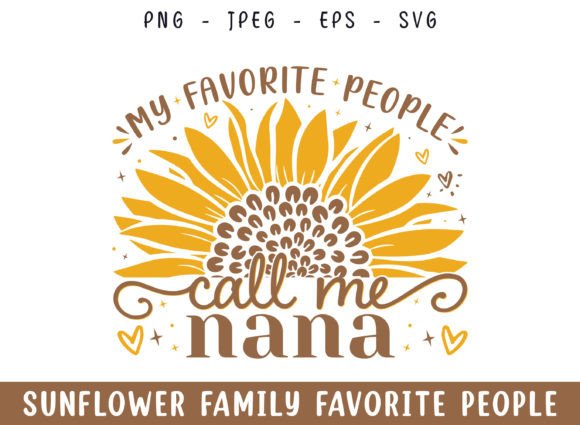
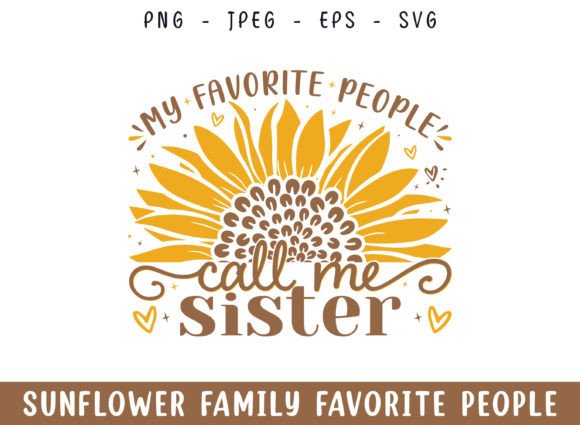
The moment you open the file for Favorite People Call Sister Sunflower, the retro aesthetic hits you immediately. It isn’t trying to be modern minimalist; it’s leaning into that warm, nostalgic vibe that performs exceptionally well in the handmade community right now. The sunflower motif is central, but the typography—"My Favorite People Call Me Sister"—carries the emotional weight. For designers, this is crucial. A design can be pretty, but if it doesn’t communicate a feeling instantly, it won’t sell.
Visually, the layout feels balanced. The curve of the text likely follows the natural arc of a standard 5x7 or 6x10 hoop, which suggests the digitizer understood placement constraints. The mood is cheerful but grounded. It’s not overly cutesy in a way that feels childish; rather, it feels like something a millennial or Gen X customer would proudly display on their own apparel or home decor. This distinction matters because it widens your target audience beyond just "mom gifts" to include general lifestyle buyers.
Real-World Application: Where Does This Design Shine?
I don’t believe in designs that only work on paper. To truly evaluate Favorite People Call Sister Sunflower, we have to imagine it stitched onto physical products. Here is where I see this design excelling in real-life scenarios:
- Custom Apparel & Sweatshirts: This is the bread and butter for most embroiderers. On a heather grey or olive green sweatshirt, the sunflower pops beautifully. The retro color palette suggested by the name implies it works well with earth tones. It’s perfect for family reunions, sisterhood groups, or bridal parties where matching outfits are required.
- Tote Bag Designs: Canvas totes are a staple for craft fairs. Placing this design on the front panel of a heavy-duty canvas tote creates an instant conversation starter. It’s practical, durable, and aligns with the "maker" aesthetic that drives traffic on platforms like Etsy.
- Baby Embroidery & Nursery Decor: While the text says "Sister," the sunflower element is universally loved. On a white onesie or a muslin swaddle blanket, the contrast is soft and inviting. However, you must be careful with the lettering size here to ensure it remains legible on small garments.
- Kitchen Towels & Aprons: For the home cook, this design adds personality to functional items. A flour sack towel featuring this art piece feels cozy and domestic. It’s a great value-add item for sellers who want to bundle products together.
- Embroidered Patches: If the design allows for a clean edge or applique backing, it translates well into iron-on patches. These are highly popular for denim jackets and backpacks, offering a different texture and durability profile than direct-to-garment stitching.
Technical Performance: Stitch Density and Clarity
When evaluating an embroidery file, clarity is king. Sunflowers can be tricky because they often rely on fill stitches to create the petals. If the density is too high, the fabric will pucker. If it’s too low, the center disk will look sparse and cheap. Based on typical retro styles, Favorite People Call Sister Sunflower likely uses a mix of satin stitches for outlines and fill stitches for the flower body.
This balance is vital for commercial embroidery projects. You want a finish that looks professional even after five washes. The text component requires a sturdy satin stitch or a well-executed running stitch variant to maintain readability. If the letters are too thin, they may break during trimming or washing. For custom apparel, ensuring the thread colors provide enough contrast against the fabric is non-negotiable. On dark fabrics, you’ll need a solid underlay to prevent the bright yellow of the sunflower from looking muddy.
Where to Use Caution
No design is perfect for every surface. There are specific situations where you should hold back on using Favorite People Call Sister Sunflower:
- Small Hoop Sizes: If the design exceeds a 4x4 inch area, attempting to squeeze it into a smaller hoop will result in cramped lettering and distorted proportions. Always check the hoop size requirements before finalizing a product listing.
- Stretchy or Thin Fabrics: Knits like jersey or thin synthetics require extra stabilization. Without a proper stabilizer, the tension of the fill stitch can cause the fabric to pucker significantly, ruining the finished product quality.
- Curved Surfaces: While caps and hats are popular, flat designs like this may not lay perfectly flat on a curved brim without additional digitizing adjustments. Test this carefully before mass-producing.
- Dense Stitch Areas: If the sunflower center is very dense, avoid using it on delicate fabrics like silk or fine linen, as the needle penetration could damage the material.
Strategic Value for Sellers and Makers
For the Etsy seller or small shop owner, the appeal of Favorite People Call Sister Sunflower lies in its gifting potential. "Sister" themes are evergreen. They sell year-round, but spike during holidays like Mother’s Day, Christmas, and birthdays. By offering this as a personalized gift option, you tap into an emotional buying trigger.
Furthermore, the versatility of the design allows for creative design assets usage. You can create printable mockups showing the design on various backgrounds—rustic wood, floral patterns, or solid pastels—to help customers visualize the final result. This visual merchandising boosts buyer engagement and trust.
From a branding perspective, using high-quality, well-composed designs like this reinforces professionalism. Customers can tell the difference between a rushed download and a thoughtfully crafted machine embroidery design. Consistency in quality leads to repeat business and positive reviews, which are the lifeblood of any craft business.
Practical Designer Notes Before You Stitch
Before you commit to a large production run or start listing these items online, follow these essential steps to ensure success:
- Test on Scrap Fabric: Never assume the file will stitch perfectly. Run a test on the exact fabric you plan to use. Check for puckering, thread breaks, or misalignment.
- Check Thread Color Contrast: View the design in black and white mockup mode. If the contrast is poor, adjust your thread colors or add a contrasting background patch.
- Inspect Small Details: Zoom in on the lettering. Are the serifs crisp? Is the spacing even? Poorly executed text is the fastest way to lose a customer.
- Confirm Licensing: This is critical. Ensure you have the correct license to sell handmade products made from this digital embroidery file. Some licenses restrict commercial use or limit the number of units you can sell.
- Use Proper Stabilizer: Match your stabilizer to your fabric weight. Heavy cut-away stabilizers are usually best for woven fabrics, while tear-away might suffice for stable knits depending on the design density.
In conclusion, Favorite People Call Sister Sunflower is a strong contender for anyone looking to expand their repertoire of family-themed embroidery projects. It balances aesthetic charm with practical application, making it suitable for everything from intimate personal gifts to scalable small business merchandise. Just remember: the design is only as good as the execution. Take your time, test thoroughly, and let the quality of your stitching speak for itself.