Chilling with My Cookies Groovy Retro Review
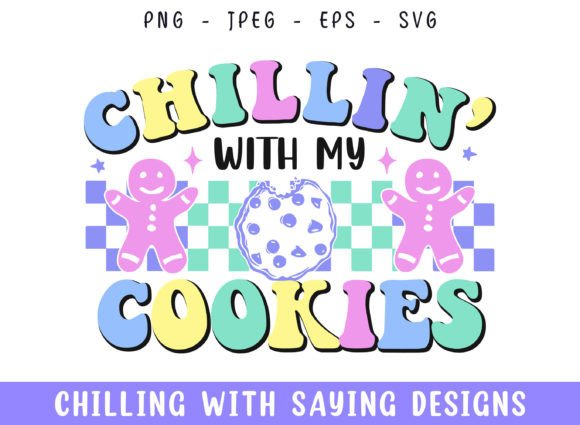
When I first pulled up the Chilling with My Cookies Groovy Retro design, my immediate reaction was a mix of nostalgia and practical skepticism. As an embroidery designer who has stitched thousands of files for everything from boutique hats to nursery wall art, I know that "retro" is a crowded market. But this particular file caught my eye because it balances playful character with structural clarity. The prompt describes it as made with 100 vector shapes, which suggests a level of detail that could either shine beautifully in thread or get lost in a tangled mess depending on how it’s executed. In this review, I’m putting aside the marketing fluff to look at how Chilling with My Cookies Groovy Retro actually performs when you are sitting at your machine, preparing a custom order for a client, or creating assets for your Etsy shop.
First Impressions: Mood and Visual Personality
The core appeal of Chilling with My Cookies Groovy Retro lies in its vibe. It isn’t just a generic cookie; it carries a specific mid-century modern or psychedelic retro energy that resonates strongly with current trends in handmade goods. When you look at the layout, the shapes feel bold and confident. For a craft business owner, this visual confidence is crucial. You want designs that read clearly from three feet away at a craft fair, not just up close on a screen.
The theme suggests comfort, sweetness, and a laid-back attitude. This makes it an excellent candidate for personalized gifts that aim to evoke warmth. Whether it’s a cozy sweatshirt for a holiday gift or a cute baby onesie, the design communicates a sense of fun without being childish. However, the "groovy" aspect means the lines might be curvy and organic. In embroidery, curves can be tricky. If the vector shapes are too thin, they may not hold their structure once stitched. My initial assessment is that this design works best when treated as a statement piece rather than a subtle background element.
Real-World Application: Where Does It Fit?
I’ve been thinking about where Chilling with My Cookies Groovy Retro would sit best in a product line. Let’s talk about real scenarios. Imagine you are fulfilling a custom order for a local bakery owner who wants branded aprons. This design could work wonderfully there. The contrast between the sweet subject matter and the utilitarian nature of an apron creates a charming juxtaposition. Alternatively, consider a tote bag design. A canvas tote with this embroidered prominently on the front becomes an instant conversation starter. It’s wearable art that feels accessible and friendly.
For Etsy sellers and small shop products, this design offers versatility. Because the description notes that colors can be easily changed, you can adapt it for different seasons. Use warm autumn tones for fall-themed kitchen towels or bright pastels for spring baby items. The ability to swap thread colors is a huge advantage for commercial embroidery where you need to match brand palettes. If you are selling digital embroidery files or finished goods, this flexibility increases your potential customer base significantly.
Another strong use case is sweatshirt embroidery. The retro aesthetic pairs naturally with heavyweight cotton blends. When stitched onto a thick fabric, the design gains weight and presence. It doesn’t look like it’s floating on the material; it looks integrated. This adds perceived value to the handmade product, making it easier to justify a higher price point to buyers who appreciate quality craftsmanship.
Technical Considerations and Stitch Behavior
This is where the rubber meets the road. Even the most beautiful vector graphic can fail if the stitch conversion isn’t handled well. Since Chilling with My Cookies Groovy Retro is described as having 100 vector shapes, we need to pay attention to stitch density. If every single shape is filled with dense satin or fill stitches, the fabric will pucker, especially on lighter materials like tea towels or thin t-shirts.
I recommend testing this design carefully before committing to a full production run. Start by checking the small details. Are there tiny corners or narrow gaps that might collapse under the pressure of the needle? If the design relies heavily on satin stitch for outlines, ensure those lines are wide enough to prevent thread breakage. Conversely, if it uses running stitch for decorative accents, verify that the spacing allows for clean execution without tangling.
Fabric choice is equally critical. While the design looks great in concept, it requires a stable base. Avoid using this on highly textured fabrics like heavy bouclé or very stretchy knits unless you are experienced with stabilizers. A cut-away stabilizer is likely necessary for garments that will undergo frequent washing, such as custom apparel or baby clothes. If you plan to use this on a cap or hat, remember that curved surfaces distort flat designs. You may need to adjust the placement or scale to ensure the cookies don’t look warped.
Color Contrast and Fabric Compatibility
The prompt mentions that this design is possible and easy to change color for dark or white T-shirts. This is a vital feature for apparel decorators. On a white shirt, you’ll want high-contrast thread colors—perhaps deep blacks, rich browns, or vibrant oranges—to make the retro shapes pop. On a dark shirt, light threads like cream, yellow, or pastel pink will create a striking silhouette.
However, always test color combinations in black and white mockups first. Sometimes a color combination that looks harmonious on screen loses all definition when converted to grayscale. This step ensures that the visual hierarchy of the design remains intact regardless of the thread palette you choose. For kitchen towels or pillow covers, consider how the thread colors interact with the existing pattern of the fabric. A solid background usually yields the cleanest result for complex vector-based designs.
Final Verdict: Is It Worth the Stitch Time?
Overall, Chilling with My Cookies Groovy Retro shows promise as a versatile asset for both hobbyists and professionals. Its strength lies in its adaptable theme and clear vector structure. It fits seamlessly into categories ranging from holiday embroidery to everyday home decor. The key to success will be respecting the technical limitations of embroidery. Don’t rush the process. Inspect the design for any overly dense areas, confirm your hoop size matches the final output dimensions, and always do a scrap fabric test.
If you are looking to add a touch of whimsical nostalgia to your craft business inventory, this design is a solid contender. Just remember that the magic happens in the execution. A well-stitched embroidered patch or a perfectly centered apron elevates the design from a simple graphic to a treasured keepsake. By paying attention to thread quality, stabilizer support, and color contrast, you can turn Chilling with My Cookies Groovy Retro into a standout product that customers love and return to buy again.