In My Assistant Coach Era Groovy Retro
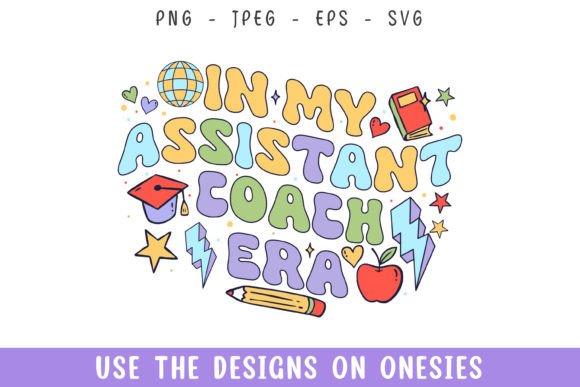
When I first pulled In My Assistant Coach Era Groovy Retro into my digitizing software, the immediate thought that crossed my mind was not about technical stitch counts or file formats, but rather about the sheer nostalgia radiating from the vector shapes. As a designer who spends half my life troubleshooting puckering fabric and the other half trying to create products that actually sell on Etsy, I look for designs that have personality without sacrificing clarity. This design hits that sweet spot with a distinct "groovy" aesthetic that feels both timeless and timely.
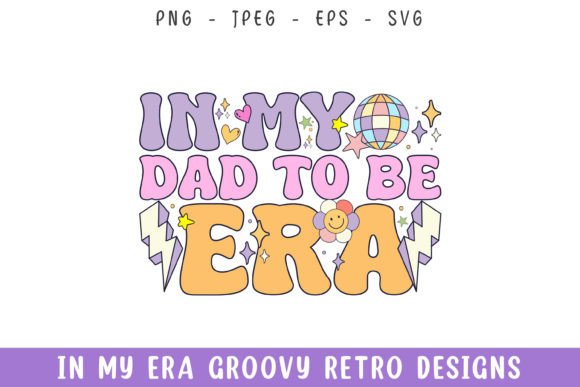
The visual personality of this piece is undeniably strong. The retro theme suggests a relaxed, confident vibe—perfect for anyone embracing their inner coach or simply enjoying a laid-back lifestyle. For an embroidery project, this mood translates well into wearable art. It doesn’t scream for attention; instead, it invites a closer look. The layout is balanced, which is crucial when we are talking about translating 2D vectors into 3D stitched textures. If the composition were too cluttered, we would lose the charm in the stitching process. Fortunately, the clean lines of the original SVG allow for crisp edges, whether you are using a satin stitch for outlines or a fill stitch for the background elements.
Real-World Application: From Screen to Stitch
I recently had a scenario where a client wanted a custom gift for a friend who had just started coaching a youth soccer team. They didn’t want anything overly sporty or aggressive; they wanted something fun, personal, and reflective of the new chapter in their life. In My Assistant Coach Era Groovy Retro was the perfect candidate. We decided to apply this to a high-quality cotton canvas tote bag design. The goal was to create a functional accessory that doubled as a statement piece.
During the setup, I tested the design on scrap fabric to check the thread colors. The groovy color palette works beautifully against dark fabrics, such as navy or charcoal, which are popular choices for modern apparel. However, because the description notes that it is easy to change colors, I also experimented with a white t-shirt application. On light backgrounds, the contrast needs to be managed carefully to ensure the details don’t get lost. By adjusting the thread colors to be slightly bolder, the design popped off the fabric, maintaining its legibility even after the stabilizer was removed.
This versatility makes it an excellent addition to any craft business inventory. It fits seamlessly into categories like personalized gifts, custom apparel, and boutique branding. Imagine this embroidered on a sweatshirt for a winter holiday gift, or perhaps on a baby onesie for a future little athlete. The flexibility of the vector shapes means you can resize it easily, allowing for small accents on a cap brim or larger focal points on the back of a hoodie.
Performance in Embroidery Situations
When evaluating a digital embroidery file for real-life use, I always consider how it behaves on different surfaces. In My Assistant Coach Era Groovy Retro performs admirably on flat surfaces like aprons, pillow covers, and tea towels. These items provide a stable base, minimizing the risk of distortion during the stitching process. For instance, using this design on a kitchen towel adds a touch of whimsy to home decor, making it a great item for craft fair products or small shop product listings.
However, not every surface is created equal. When moving to curved surfaces like caps or hats, caution is required. While the design’s clean lines help, the curvature can cause slight warping if the hoop size is not chosen correctly. I recommend using a smaller hoop size to maintain tension and prevent the fabric from shifting. Additionally, textured fabrics, such as fleece or heavy denim, can sometimes obscure fine details. In these cases, simplifying the smallest decorative accents might be necessary to ensure the final product looks professional rather than messy.
For dense stitch areas, proper stabilizer usage is non-negotiable. A tear-away stabilizer works well for lightweight fabrics, but for stretchy materials like jersey knits used in t-shirts or baby clothes, a cut-away stabilizer is essential to prevent distortion over time. This ensures that the finished product retains its shape even after multiple washes, which is a key factor in customer trust and satisfaction.
Where to Exercise Caution
While this design is robust, there are specific scenarios where it should be used carefully. Small hoop sizes can limit the detail resolution. If you attempt to reduce the design too much, the tiny lettering and intricate corners may become indistinguishable once stitched. Always inspect small details before committing to a full production run. Testing the design in black and white mockups can help you identify potential issues with contrast and density that might not be obvious in color.
Furthermore, dark fabric presents unique challenges. While the design allows for easy color changes, ensuring that your thread colors stand out against dark backgrounds requires thoughtful selection. Dark threads on dark fabric can disappear, so opting for lighter or metallic threads can add dimension and visibility. Also, be mindful of layered garments. If you are embroidering over seams or pockets, the added bulk can affect the drape of the garment, so plan your placement accordingly.
Practical Designer Notes for Success
To get the best results from In My Assistant Coach Era Groovy Retro, follow these practical steps:
- Test on Scrap Fabric: Always run a test stitch-out on the same type of fabric you plan to use. This helps you gauge the stitch density and see how the threads interact with the material.
- Check Thread Color Contrast: Ensure there is enough contrast between the thread and the fabric. Use a light box or natural sunlight to evaluate the visibility of your chosen colors.
- Confirm Hoop Size: Choose a hoop that accommodates the design without excessive waste. Smaller hoops often yield better tension control.
- Inspect Small Details: Zoom in on the vector shapes to ensure that no critical details are too fine for the needle size you are using.
- Use Proper Stabilizer: Match the stabilizer to the fabric weight and stretch. This prevents puckering and ensures a clean finish.
- Review Licensing: Before selling finished items or digital products, confirm the licensing terms. Understanding what you can and cannot do with the design assets is crucial for commercial embroidery projects.
Ultimately, In My Assistant Coach Era Groovy Retro is more than just a graphics file; it is a versatile tool for creative entrepreneurs. Whether you are creating handmade products for yourself or scaling up for an Etsy seller audience, this design offers a blend of style and functionality. Its retro charm appeals to a wide range of buyers, from hobbyists looking for a fun weekend project to small business owners seeking reliable design assets for their shops. By paying attention to the technical details and planning your execution carefully, you can transform this vector shape into a stunning embroidered patch, a cozy sweatshirt embroidery, or a memorable personalized gift that stands out in a crowded market.
As you integrate this into your workflow, remember that the quality of the final product depends on the care taken during the preparation phase. Take your time, experiment with thread colors, and let the groovy spirit of the design shine through in every stitch. With the right approach, In My Assistant Coach Era Groovy Retro can become a staple in your collection of machine embroidery designs, helping you create engaging and profitable finished products that customers love.