In My Era Groovy Retro Era Svg Design Review
When I pick up a new digital asset to evaluate for my embroidery studio, I am rarely looking at just a picture. I am looking at potential stitch paths, thread tension issues, and how the final texture will feel against skin or fabric. Most designers know that what looks good on a screen does not always translate well to needle and thread. This is why I take the time to dissect designs like In My Era Groovy Retro Era Svg Design before committing it to a hoop. The goal here is not just to see if it is pretty, but to determine if it is practical for real-world application in a craft business or personal project.
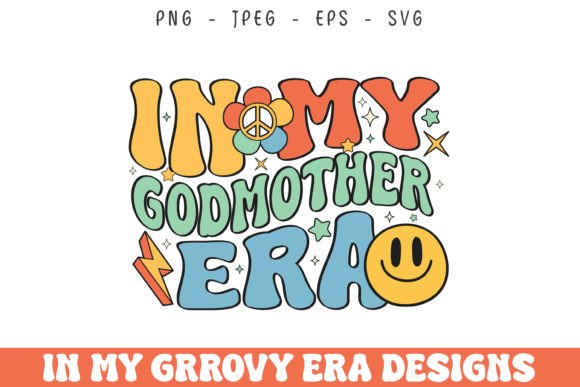
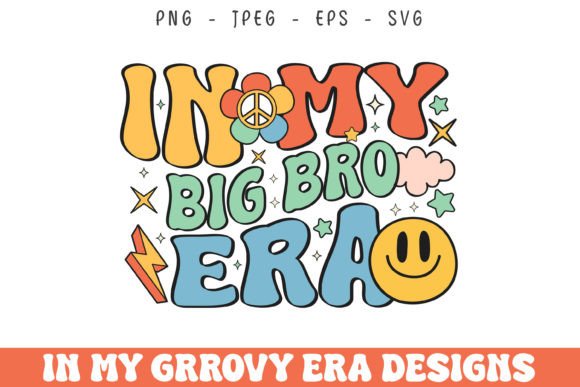
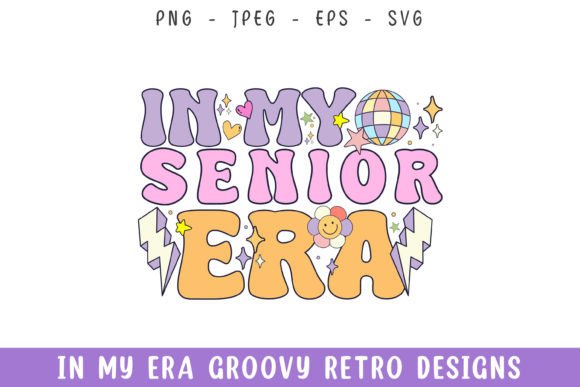
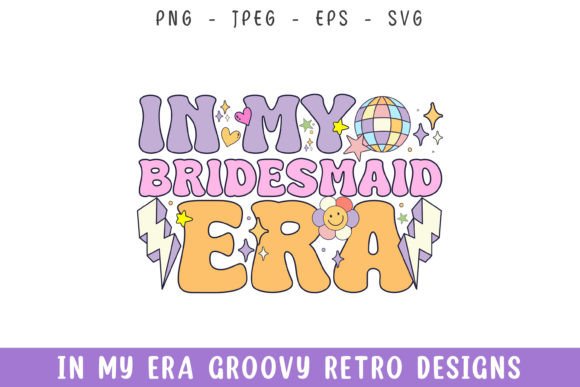
The first impression of this design is one of immediate nostalgia. The "groovy" aesthetic brings to mind the late sixties and early seventies, characterized by bold curves, vibrant color potential, and a relaxed, hippie-inspired vibe. Visually, it has a strong personality. It feels confident and playful, which makes it an excellent candidate for casual wear and lifestyle products. However, as a reviewer, my job is to look past the mood and analyze the structure. Since the product description highlights that it is made with vector shapes and allows for easy color changes, we are dealing with a versatile machine embroidery design that can be adapted rather than being stuck with a single rigid interpretation.
Real-World Application: From Screen to Stitch
Imagine you are preparing a batch of custom embroidered tote bags for an upcoming craft fair. You want something that appeals to a broad audience but still stands out on a table full of generic floral patterns. In My Era Groovy Retro Era Svg Design fits this scenario perfectly. The retro theme resonates with current trends in vintage fashion, making it highly marketable for an Etsy seller or small shop owner. When I visualize this stitched onto a canvas tote, the groovy lines likely break up the heavy fabric texture in a way that adds visual interest without overwhelming the bag’s utility.
Another strong use case is custom apparel, specifically sweatshirts and t-shirts. The design’s theme suggests a relaxed fit, so applying it to a heavyweight cotton hoodie creates a cohesive aesthetic. For a boutique branding effort, using this design on branded aprons or kitchen towels could add a touch of whimsy to a home goods line. The ability to change colors easily means you can offer variations—perhaps a mustard yellow on a black shirt, or a pastel pink on white fabric. This flexibility is crucial for creating a diverse inventory from a single digital embroidery file.
However, we must consider the nuances of embroidery when discussing these applications. If you plan to use this for embroidered patch creation, the design’s detail level becomes critical. While the vector nature ensures clean edges, complex internal details might get lost if the patch is too small. Similarly, for baby embroidery, such as on onesies or bibs, the softness of the stitches matters. A design with dense fill areas might feel stiff, whereas one relying more on satin and running stitches would be more comfortable for delicate skin.
Technical Considerations and Fabric Constraints
No design is perfect for every surface. When evaluating In My Era Groovy Retro Era Svg Design, I have identified several areas where caution is required. First, let us talk about fabric texture and stretch. If you attempt to stitch this onto a highly textured fabric, like a chunky knit sweater, the underlying grain may obscure the fine details of the groovy lines. Conversely, placing it on thin or stretchy fabrics without proper stabilization can lead to puckering. This is especially true if the design includes large areas of fill stitch, which pull heavily on the material.
Dark fabrics present another challenge. The description notes that color changes are possible, which is helpful, but contrast is key in embroidery. On a dark t-shirt, light threads might not pop enough, requiring a cutwork underlay or a specific stabilizer choice to ensure the design sits cleanly on top of the fabric. Testing is non-negotiable here. Always run a test stitch on scrap fabric that matches your final product’s weight and composition.
Curved surfaces, such as caps and hats, also demand careful planning. While the design might look balanced on a flat mockup, wrapping it around the curve of a baseball cap can distort the proportions. The "groovy" curves might become compressed or stretched depending on where they land on the crown. For custom apparel like this, it is often safer to place the design on the front panel where the curvature is most consistent, or to adjust the digitizing slightly to account for the three-dimensional shape.
Stitch Density and Detail Clarity
One of the most important aspects of any embroidery project is stitch density. If the design relies too heavily on dense stitching, it can become heavy and uncomfortable. I recommend reviewing the design in a monochrome view to check the balance between satin stitch borders and interior details. Satin stitches provide sharp definition, which is great for outlining the retro shapes, but they require precise hooping to avoid gaps or overlaps. Running stitches can add a lighter, sketch-like quality that might complement the hippie theme well, offering a softer finish compared to solid fills.
Small details are often the first to suffer during production. If the design contains tiny text or intricate inner curves, ensure that your machine can handle the minimum stitch length required. For commercial embroidery work, consistency is paramount. A customer buying a personalized gift expects the same quality whether it is their first order or their tenth. Inconsistent thread tension or missed stitches in detailed areas can undermine trust in your brand.
Design Assets and Commercial Viability
For those selling finished products or design assets, the versatility of In My Era Groovy Retro Era Svg Design is a significant advantage. The fact that it is composed of 100 vector shapes allows for creative manipulation. You can scale elements, rotate sections, or even separate parts of the design to create custom layouts. This is particularly useful for creating printable mockups for your online store, allowing you to showcase the design on various backgrounds without needing physical samples for every variation.
When considering licensing, always verify the terms before listing items for sale. Even if the design is easy to modify, the rights to sell the final embroidered product depend on the original license agreement. Clear communication with your customers about the handmade nature of the item enhances its value. A personalized gift feels more special when the buyer knows a designer carefully selected and tested the artwork for durability and aesthetics.
Final Thoughts for the Creative Entrepreneur
Ultimately, In My Era Groovy Retro Era Svg Design offers a strong foundation for a variety of projects. Its retro charm and vector-based structure make it adaptable for everything from tote bag design ideas to holiday embroidery gifts. By paying attention to fabric choice, stabilizer usage, and stitch type, you can elevate this design from a simple graphic to a professional-grade embroidered piece.
I advise all makers to start small. Test the design on different fabrics, experiment with thread colors to find the best contrast, and inspect the finished product for any loose threads or alignment issues. With careful execution, this design can become a staple in your catalog, appealing to customers who appreciate both style and substance. Whether you are a hobbyist making a unique gift or an Etsy seller building a brand, taking the time to understand how a design behaves in real life is what separates good products from great ones.