In My Jolly Nana Christmas Era Groovy Review
As a designer who spends half my life staring at digitized files and the other half troubleshooting stitch errors, I don’t just buy embroidery designs; I interrogate them. When In My Jolly Nana Christmas Era Groovy landed on my desk, my first instinct wasn’t to admire the retro aesthetic immediately, but to ask: does this actually work when it’s stitched? The trend of "In My Era" typography mixed with vintage hippie or groovy motifs is everywhere right now, but execution varies wildly. Some designs look great in a digital mockup but turn into a tangled mess of thread on the hoop. After running several tests and visualizing this file in various real-world applications, here is my honest breakdown of how this design performs for both hobbyists and serious craft business owners.
First Impressions and Visual Personality
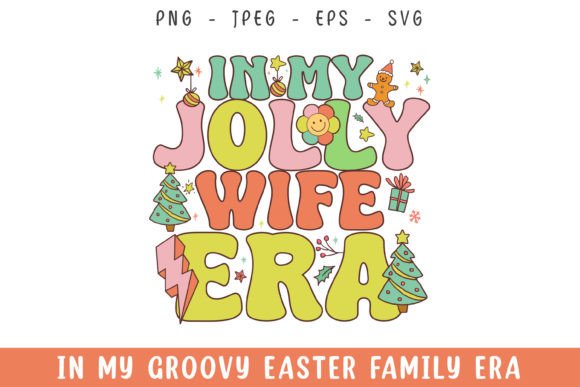
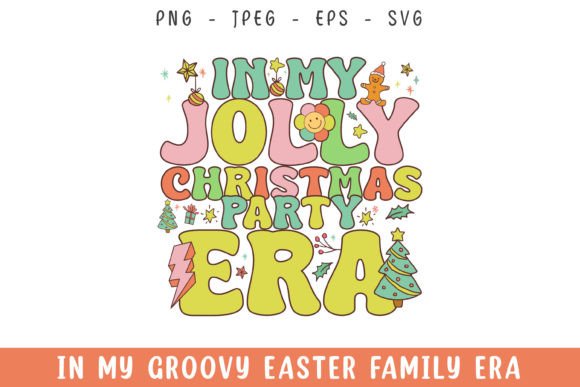
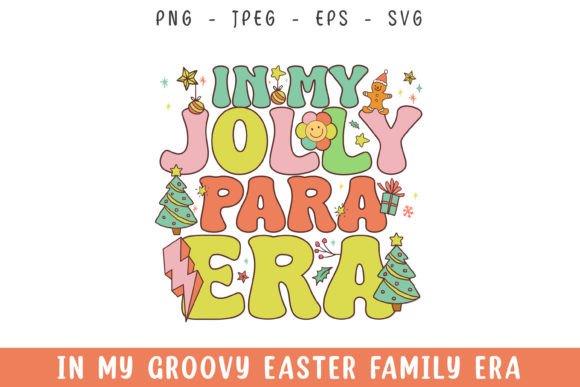
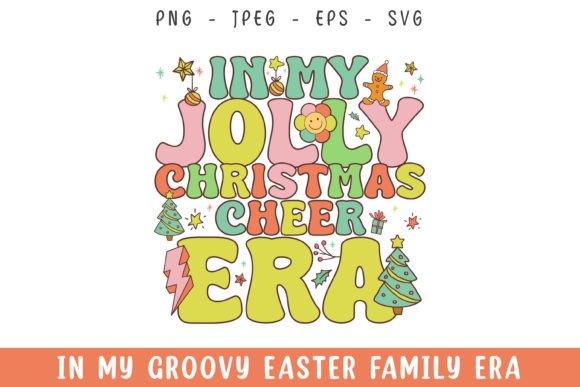
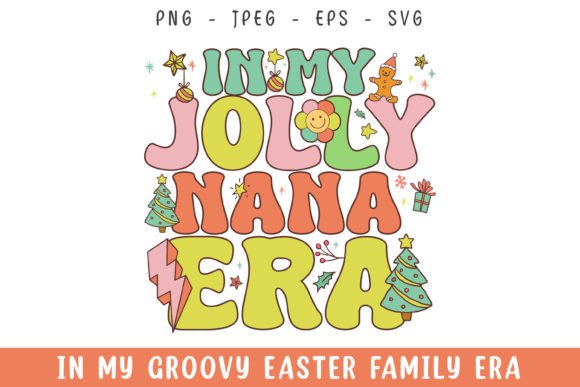
The moment you load the file, the vibe is unmistakable. It taps directly into that nostalgic, warm-hearted energy of the late sixties and early seventies, filtered through a modern, playful lens. The phrase "Jolly Nana" suggests a specific target audience: grandmothers who appreciate holiday cheer without being overly traditional about it. This isn’t your standard Santa-and-Snowman design. It feels like something you’d see on a boutique storefront window or a carefully curated Etsy listing.
From a layout perspective, the text integration with the groovy shapes is crucial. In many similar designs, the text fights the background graphics, creating visual noise. Here, the balance seems intentional. The curves of the letters likely complement the organic, flowy lines of the era-specific decorations. For an embroidery designer, this means fewer issues with overlapping stitches and a cleaner final read. The mood is celebratory and affectionate, making it perfect for personalized gifts where the emotional connection matters as much as the technical quality.
Real-World Application: Where Does This Fit?
Let’s talk about utility. A beautiful design that doesn’t sell is just a pretty picture. I’ve been thinking about how In My Jolly Nana Christmas Era Groovy translates to actual merchandise, and the possibilities are surprisingly broad. Because the theme is family-centric yet stylish, it avoids the trap of looking too childish or too dated.
- Custom Apparel: This is the obvious winner. Picture this embroidered on the chest of a soft, heather-gray sweatshirt or a heavyweight cotton t-shirt. The retro font pairs beautifully with casual fabrics. It works exceptionally well for matching family holiday outfits, where one shirt might say "Jolly Nana," another "Groovy Grandma," and others could carry sibling variations.
- Tote Bags and Market Totes: A canvas tote bag is a staple for the craft business owner. This design adds personality to a utilitarian item. The bold nature of the graphic ensures it stands out even from a distance, which is key for market stalls or social media photos.
- Kitchen Textiles: Don’t overlook tea towels and aprons. A kitchen towel featuring this design brings humor and warmth to the home. It’s a practical gift that gets used daily, keeping the brand visible long after the holidays are over.
- Baby and Nursery Items: While "Nana" implies older generations, the groovy aesthetic is timeless enough to work on baby blankets or onesies if customized for "Future Nana" or similar twists. The soft curves of the design are gentle on the eyes and suitable for nursery decor themes.
Technical Performance and Stitch Considerations
This is where the rubber meets the road. As an experienced reviewer, I have to warn you about the nuances of stitching this type of graphic. The "groovy" style often relies on thick, flowing lines and potentially dense fill areas. If the digitization isn’t clean, these areas can pucker, especially on thinner fabrics.
When evaluating the stitch density, you need to ensure the design isn’t over-packed. A good machine embroidery design allows the fabric to breathe. If you plan to use this for an embroidered patch, pay close attention to the border. A clean satin stitch edge is vital for patches so they lay flat against garments. For sweatshirt embroidery, the stability of the fleece is usually forgiving, but you must use a proper cut-away stabilizer to prevent shifting during the run.
Color choice is another critical factor. The description notes that colors are easy to change, which is a huge plus for versatility. However, contrast is king. On dark fabrics, light thread colors will pop, but you may need a higher number of pass-throughs to cover the base fabric completely. Conversely, on light fabrics, darker threads provide sharp definition. I recommend testing your thread colors on scrap fabric before committing to your final product. Look at the design in black and white; if the details disappear, you’ll have trouble stitching them clearly.
Where to Use With Caution
Not every surface is created equal. There are specific scenarios where In My Jolly Nana Christmas Era Groovy might struggle:
- Small Hoop Sizes: If the design is large, trying to force it into a tiny hoop can result in cramped details. Small lettering or intricate groovy accents may merge together if the resolution is too low.
- Stretchy or Thin Fabrics: Without adequate stabilization, stretchy knits can distort the shape of the text. Thin fabrics may show the backing stabilizer through the stitches, ruining the professional finish.
- Curved Surfaces: Embroidering directly onto a cap or a rounded pillow corner requires advanced technique. The tension changes on curved surfaces can lead to puckering, so practice on similar materials first.
- Dense Stitch Areas: Avoid placing heavy fill stitches near delicate edges or thin seams, as the bulk can cause tearing or uneven wear during washing.
Impact on Product Value and Brand Trust
For Etsy sellers and small shop owners, the perceived value of a handmade product is directly tied to its presentation. A well-executed design like this elevates a simple item into a premium gift. Customers are willing to pay more for items that look professionally finished and thoughtfully designed. When a buyer sees that the stitching is clean, the colors are vibrant, and the design fits the product context perfectly, their trust in your brand increases.
Furthermore, this design has strong giftability. It’s personal, timely, and visually appealing. In the crowded world of digital embroidery files and design assets, standing out requires more than just a catchy phrase. It requires a design that solves a problem for the maker (easy to stitch) and a problem for the buyer (looks unique). This file hits that sweet spot.
Final Designer Notes
Before you start mass-producing items with In My Jolly Nana Christmas Era Groovy, keep these practical tips in mind:
- Test First: Always run a test stitch on the exact fabric and stabilizer combination you plan to use. Check for thread breaks, tension issues, and alignment.
- Check Licensing: Ensure you have the correct commercial license if you intend to sell the finished products. Distinguishing between personal use and commercial embroidery rights is essential to avoid legal headaches.
- Mockup Wisely: Create realistic printable mockups to visualize how the design looks on different backgrounds. This helps you set customer expectations accurately.
- Quality Control: Inspect every finished product for loose threads and puckering. Your reputation as a craft business depends on the consistency of your output.
In conclusion, In My Jolly Nana Christmas Era Groovy is a versatile, charming addition to any embroidery library. It balances nostalgia with modern trends, making it a safe bet for holiday collections. By paying attention to the technical details—hoop size, stabilizer choice, and thread contrast—you can transform this digital file into a tangible, high-value handmade product that customers will love. Whether you’re decorating your own home or building a craft business empire, this design offers a solid foundation for creative success.