In My Lucky Lady Era St. Patrick s Day
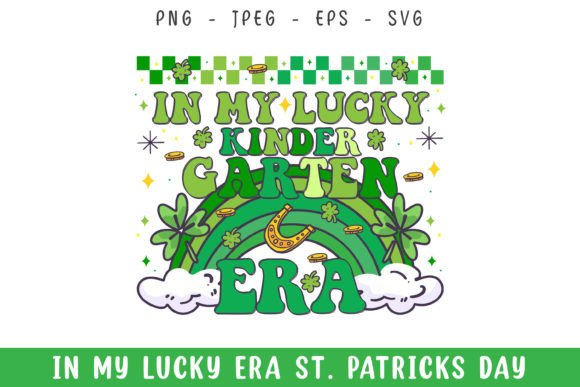
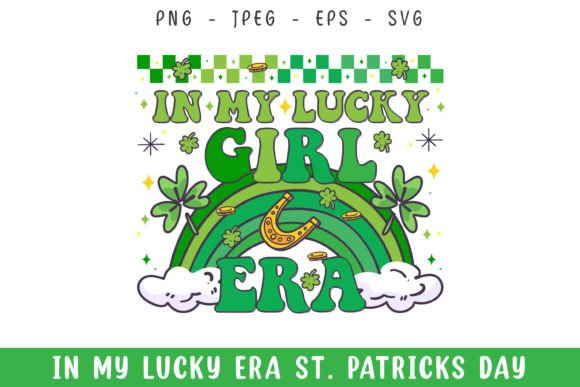
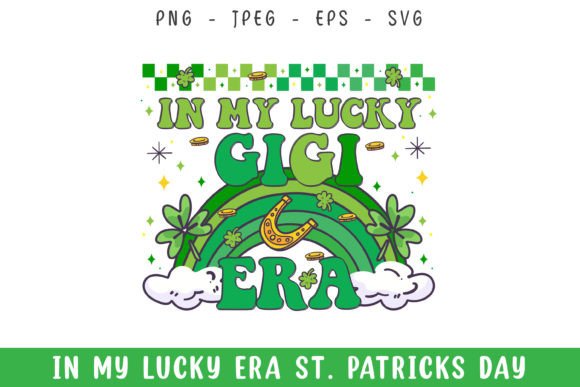
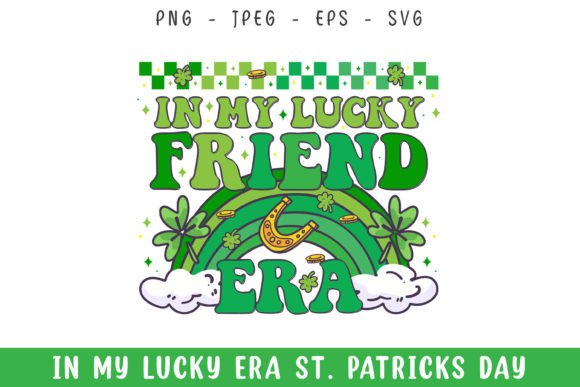
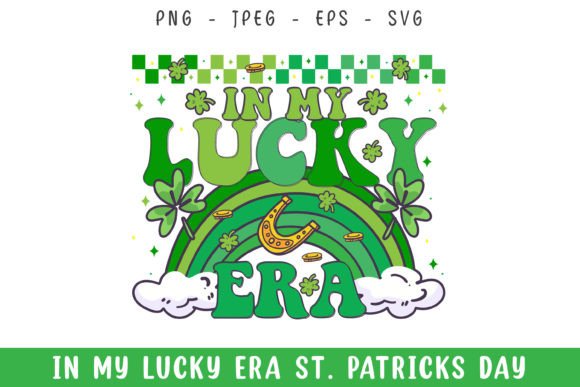
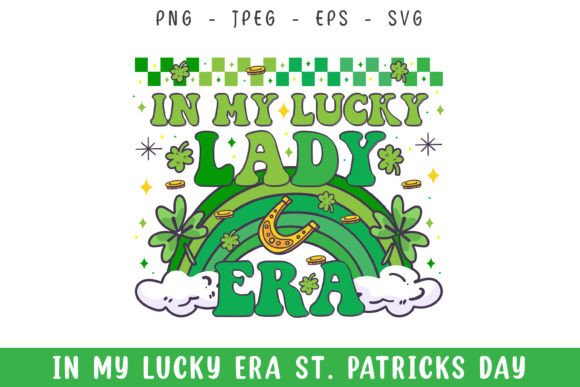
When I first pulled up the In My Lucky Lady Era St. Patrick s Day design file, my immediate reaction was one of visual recognition. It hits that sweet spot between trendy nostalgia and classic holiday cheer. As a designer who reviews embroidery assets for both personal craft projects and commercial small business lines, I look for designs that translate well from screen to stitch. This particular piece, categorized under Crafts and Graphics, brings a distinct retro groovy vibe that feels perfectly timed for the spring crafting season. It is not just another shamrock; it carries a personality that speaks directly to the current "lucky era" aesthetic dominating social media and boutique shops.
First Impressions and Visual Personality
The mood of this design is undeniably playful yet polished. The typography suggests a mid-century modern influence mixed with hippie-era fluidity, creating a layout that feels balanced and easy on the eyes. For an embroidery project, this balance is crucial. If the lettering is too chaotic or the spacing too tight, the final result can look cluttered or muddy after stitching. In this case, the curves flow naturally, suggesting that the digitization (or vector structure) allows for clean transitions between elements.
What stands out most is the adaptability. The description notes that it is possible and easy to change color for a dark t-shirt or white T-shirt. From a design perspective, this is a massive advantage. Many retro designs suffer when inverted or shifted to contrasting backgrounds because they rely heavily on negative space or specific color interactions. This design seems robust enough to handle those shifts without losing its character. It feels like a handmade product that could easily become a bestseller in a curated shop because it appeals to a broad demographic—from Gen Z buyers looking for vintage vibes to millennials nostalgic for the 70s.
Real-World Application: Where This Design Shines
I often think about how a design will live on a finished item before I even load it into the hoop. For In My Lucky Lady Era St. Patrick s Day, several applications come to mind immediately. First, it is perfect for sweatshirt embroidery. A cream or oatmeal-colored crewneck with this design stitched in forest green and gold would look incredibly high-end. The retro font pairs beautifully with the soft texture of fleece or cotton blends, elevating a basic garment into a statement piece.
Another strong contender is the tote bag design category. Canvas totes are a staple for Etsy sellers and craft fair vendors. Placing this design on the front pocket of a canvas tote adds a functional yet stylish touch. It works well as a personalized gift for someone heading off to college or starting a new job, playing on the "lucky charm" theme. The design’s scale appears substantial enough to be visible but not so large that it overwhelms a standard tote panel.
For smaller items, consider apron embroidery for kitchen use or pillow covers for home decor. A linen apron with this motif stitched near the chest area offers a charming, rustic feel suitable for spring hosting. Additionally, it translates well to baby embroidery on muslin blankets or onesies, provided the thread colors are softened to pastels. The versatility here is what drives its value as a digital embroidery file; it is not limited to one niche but spans apparel, home goods, and gifts.
Technical Considerations and Stitch Clarity
While the visual appeal is strong, any experienced maker knows that the devil is in the details. When evaluating this as a potential machine embroidery design, we must look at how the stitches will behave. The retro style often involves curved text and possibly decorative accents. These areas require careful attention to stitch density. If the fill stitch is too dense, the fabric may pucker, especially on lighter materials like thin cotton tees or rayon blends. Conversely, if it is too sparse, the underlying fabric might show through, ruining the crispness of the letters.
I recommend testing the applique design aspect if the file includes it. Sometimes, combining satin stitch borders with fill stitches can create a raised, textured effect that looks fantastic on denim or heavy canvas but might be too stiff for delicate fabrics. Always inspect the small details in the digitization. Are the corners of the letters sharp? Is the kerning consistent? A poorly executed satin stitch on a curve can look jagged, while a smooth running stitch outline can add a nice hand-sewn aesthetic if done correctly.
Color contrast is another critical factor. The prompt mentions ease of changing colors, which is great for flexibility. However, ensure you have a good range of thread colors available. Standard greens and yellows are expected, but experimenting with metallic threads for accents or muted earth tones for the background can give your finished product a unique edge. Avoid using low-quality threads that shed easily, as this can clog the needle and ruin the precision of the running stitch or fine details.
Where to Use With Caution
Not every surface is created equal. There are specific scenarios where In My Lucky Lady Era St. Patrick s Day might present challenges:
- Small Hoop Sizes: If the design is scaled down too much for a tiny hoop, the text may become illegible. Ensure the minimum hoop size accommodates the full width of the typography without crowding.
- Textured Fabrics: Materials like bouclé, heavy tweed, or thick towels can distort the shape of the letters. On such surfaces, the design may lose its geometric integrity.
- Stretchy Fabrics: Knits and jersey materials require proper stabilizer support. Without it, the tension of the fill stitch can cause the fabric to gather unevenly, leading to a wavy appearance.
- Curved Surfaces: Applying this to caps or hats requires a curved hoop and precise placement. The flat nature of the original design might need adjustment to sit naturally on a rounded brim.
- Dense Stitch Areas: If the design has large blocks of solid color, test it on scrap fabric first to ensure the backing does not become too rigid for the intended use, such as a baby blanket.
Business Value and Customer Appeal
From a commercial standpoint, this design ticks many boxes for the modern craft business. It leverages trending keywords like "Retro," "Groovy," and "Lucky Era," which helps with SEO visibility for design assets and digital downloads. Customers are drawn to designs that feel timely yet timeless. This piece bridges that gap effectively.
For small shop products, the ability to customize colors means you can offer variations without needing multiple separate files. This efficiency saves time during production. Furthermore, the design’s positive message ("In My Lucky Era") resonates emotionally. People buy more than just embroidery; they buy feelings of optimism and fun. A custom apparel item featuring this design can serve as a morale booster, making it an excellent choice for corporate gifts, team outfits, or celebratory events.
When marketing these items, use printable mockups that showcase the design on various textures. Show it on a dark hoodie to highlight the contrast, and on a light tote to emphasize the clean lines. Visual proof of quality builds customer trust and reduces returns due to mismatched expectations. Remember to check licensing terms before selling finished items. Even if the file is for personal use, understanding the commercial rights ensures your commercial embroidery venture remains compliant and professional.
Final Verdict
In My Lucky Lady Era St. Patrick s Day is a versatile, visually engaging asset that deserves a spot in any serious embroiderer’s library. Its retro charm and structural clarity make it suitable for a wide array of embroidery files applications, from casual wear to home decor. By paying attention to fabric choice, thread selection, and stabilization, you can transform this digital graphic into a tangible, high-value handmade product. Whether you are a hobbyist looking to spice up your wardrobe or an Etsy seller aiming to capture the St. Patrick’s Day market, this design offers a reliable foundation for creativity and profit. Just remember to test thoroughly, respect the limits of your machine and materials, and let the design’s inherent luck do the rest.