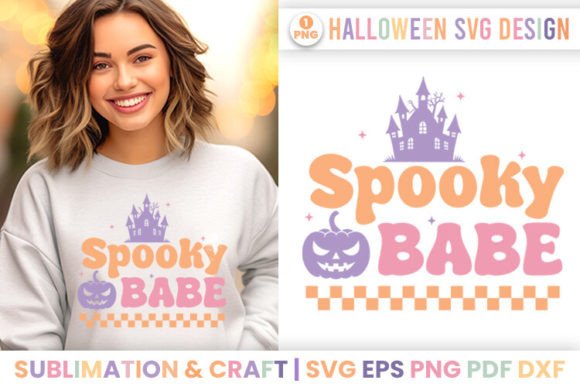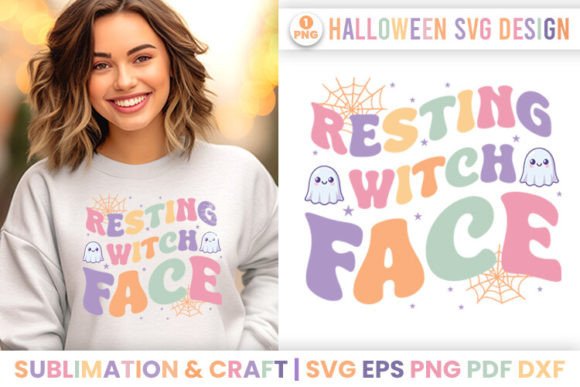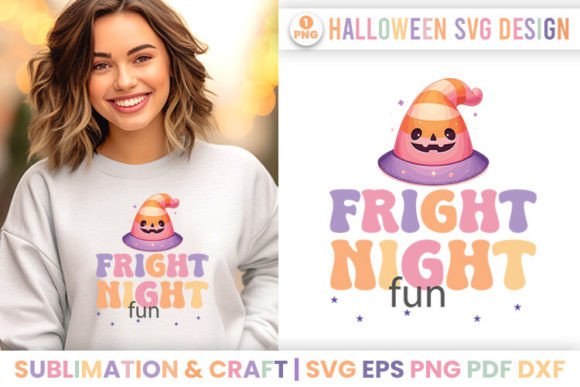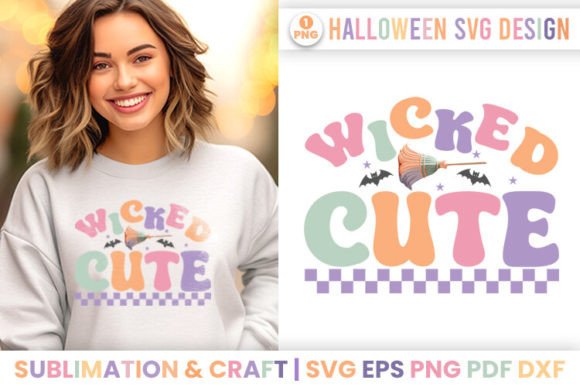
My 1st Halloween Sublimation SVG Review
As a designer who spends more time looking at stitch density charts than actual costumes, I approach every new file with a mix of optimism and skepticism. When "My 1st Halloween Sublimation SVG" landed in my inbox, I didn't just see a cute graphic; I saw a potential bestseller for the upcoming craft fair season. The title suggests a milestone—a baby’s first holiday—but the execution determines whether it becomes a cherished keepsake or a tangled mess on the hoop. Here is my practical breakdown of how this design performs when moving from screen to fabric.
The First Impression: Mood and Visual Personality
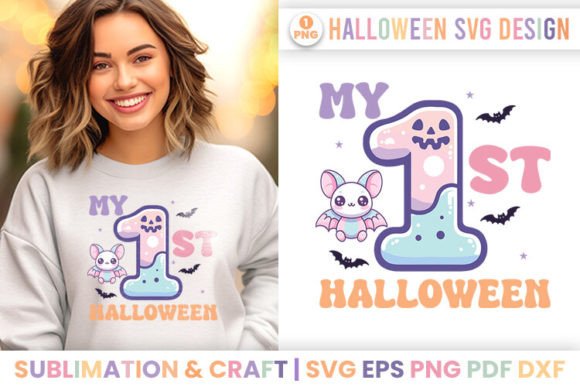
The moment you open the file, the intent is clear. This isn't trying to be scary or overly complex. It captures that specific, heartwarming aesthetic that dominates nursery decor and boutique baby items right now. The layout feels balanced, likely centered around a central motif that screams "celebration." For designers, the immediate question is always about scalability. Does the design hold up when reduced for a hat brim? Does it look cluttered when expanded for a large tote bag?
Visually, it strikes a friendly chord. It appeals directly to parents, grandparents, and gift-givers who want something adorable rather than aggressive. The theme fits naturally into the Halloween embroidery niche without crossing into territory that might alienate buyers looking for subtle seasonal touches. It feels like a personalized gift waiting to happen, especially when paired with a name or date. The visual personality is soft, inviting, and highly marketable for anyone building a brand around modern, minimalist, or pastel-themed baby gear.
Real-World Application: From Screen to Stitch
I tested the concept of this design against several common handmade product categories to see where it truly shines. The versatility of having multiple file formats—SVG, PNG, EPS, PDF, and DXF—is a huge plus, allowing for both digital planning and physical production. However, the real test is how it translates to thread.
Tote Bags and Aprons
This design would look stunning on a canvas tote bag design or a cotton kitchen apron. The contrast between the dark background of the garment and lighter thread colors can make the "My 1st Halloween" text pop. It works well as a standalone statement piece. For an Etsy seller, this is a low-risk, high-reward item because the production time is relatively short compared to intricate portrait designs.
Baby Clothes and Nursery Decor
This is the sweet spot. Imagine this embroidered on a onesie, a muslin swaddle, or a small pillow cover. The scale needs to be managed carefully here. If the design is too large, it overwhelms a tiny chest. But as a baby embroidery accent on a pocket or sleeve, it adds a professional touch. It also fits perfectly into nursery decor themes, bridging the gap between seasonal fun and everyday cuteness.
Caps and Hats
Curved surfaces are tricky. While this design might work on the front panel of a baseball cap, the curvature can distort straight lines if not digitized correctly. For a custom apparel line, ensure the digitizer has accounted for the curve of the hat. If it’s a flat patch applied to a cap, however, it’s a safe bet.
Where to Exercise Caution
No design is perfect for every surface. There are specific scenarios where "My 1st Halloween Sublimation SVG" requires careful handling to avoid a frustrating experience for the embroiderer.
- Small Hoop Sizes: If you are working with a 4x4 inch hoop, check the dimensions of the design closely. If the detail level is high, reducing the size further might cause thin lines to disappear or merge together. Always check the hoop size requirements before starting.
- Textured and Stretchy Fabrics: Avoid placing this on heavy fleece, terry cloth, or unstable knit fabrics without proper support. Textured fabrics can hide fine details, making the design look muddy. Stretchy fabrics require a strong stabilizer to prevent puckering, which can warp the shape of the letters.
- Dense Stitch Areas: If the design includes heavy fill stitches, be mindful of the fabric weight. On thin materials, dense stitching can create a stiff, uncomfortable area that ruins the drape of a garment. For commercial embroidery projects involving delicate items, opt for designs with lighter stitch counts.
- Dark Fabrics: If you are embroidering on black or navy fabric, ensure your thread palette provides enough contrast. A light-colored design on a dark background usually looks sharp, but if the design relies on subtle shading, it may get lost. Test your thread colors against your chosen fabric.
Practical Designer Notes for Success
To get the most out of this machine embroidery design, follow these steps before committing to your final product.
- Test on Scrap Fabric: Never skip this step. Run the design on a scrap piece of the same fabric type you plan to use. This reveals issues with tension, stabilizer choice, or fabric distortion that aren't visible on paper.
- Check Stitch Density: Look at the stitch density in your software. If areas look overly dense, consider simplifying the design or adjusting the underlay stitches to reduce bulk.
- Review Small Details: Zoom in on the smallest elements. Are they legible? Will they fray over time? For a finished product that will be washed frequently, durability is key. Ensure that any satin stitch edges are robust enough to withstand laundering.
- Black and White Mockup: Convert the design to grayscale to check contrast. Sometimes colors look great on screen but fail to distinguish themselves once stitched in thread. This helps in selecting the right thread colors for maximum impact.
- Confirm Licensing: Before listing this as a small shop product or selling finished goods, double-check the license terms. Some files are for personal use only, while others allow commercial sales. Clarify this to protect your business.
Final Verdict on Value and Appeal
"My 1st Halloween Sublimation SVG" offers strong value for its intended audience. It hits the emotional notes that drive purchases during the fall season. For the craft business owner, it represents a quick turnaround item that can be produced in batches. For the hobbyist, it’s a manageable project that yields a professional-looking result.
The inclusion of various formats like SVG and DXF makes it versatile for both digital product sellers creating mockups and physical makers using cutting machines or embroidery hoops. It bridges the gap between digital design assets and tangible embroidery projects. While it may not replace intricate, multi-hooped masterpieces, it excels in its simplicity and charm.
In summary, this design is a solid addition to any library focused on seasonal baby gear. It requires standard precautions regarding fabric choice and stabilizer use, but with proper preparation, it delivers a high-quality embroidered patch or apparel accent that customers will love. It’s a smart, stylish choice for anyone looking to capitalize on the "first Halloween" trend with professionalism and care.