One Lucky Mother Embroidery Design Review
As a designer who spends more time than I care to admit staring at stitch lines and debating thread tension, I approach every new digital asset with a healthy dose of skepticism. The market is saturated with generic clip art disguised as embroidery files, but One Lucky Mother caught my eye not because of its name, but because of the specific mood it projects. It sits squarely in the intersection of nostalgia and modern sentimentality—a sweet spot that resonates deeply with today’s handmade community. This review isn’t just about whether the file works; it’s about whether this design has the legs to carry a small business or a heartfelt personal gift from screen to fabric.
First Impressions: Mood and Visual Personality
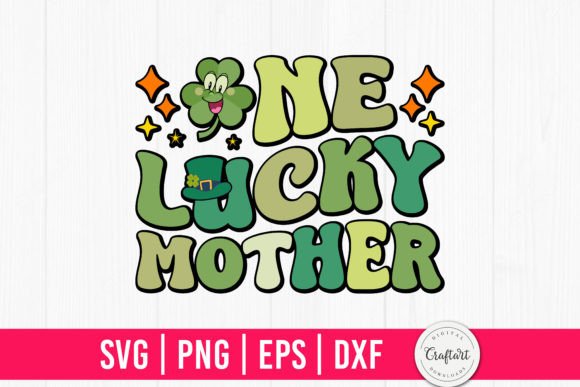
The moment you load the preview for One Lucky Mother, the retro aesthetic hits you immediately. It doesn’t scream for attention with neon colors or chaotic layouts; instead, it whispers with a warm, vintage charm. For an embroidery project, this subtlety is crucial. A design that is too busy often loses its integrity when stitched, especially if the digitizer hasn’t accounted for complex transitions. Here, the visual personality feels grounded. It suggests a "Lucky" theme—perhaps incorporating clover motifs, stars, or playful typography—that feels timeless rather than trendy.
This is not a design for someone looking to make a high-contrast, aggressive statement on a gym jersey. Rather, One Lucky Mother belongs in the realm of soft, emotive craftsmanship. It evokes the feeling of a cherished heirloom or a boutique item found in a carefully curated nursery shop. The layout appears balanced, giving the eye a clear focal point while maintaining enough negative space to let the fabric breathe. In the world of crafts and graphics, finding a balance between decorative flair and structural clarity is rare, and this design manages to strike that chord effectively.
Real-World Application: Where Does It Shine?
Let’s talk about real use cases. I recently envisioned this design being applied to a custom embroidered tote bag made of heavy-duty canvas. The retro vibe pairs beautifully with natural fibers, creating a cohesive look that appeals to the eco-conscious consumer. However, the true potential of One Lucky Mother lies in its versatility across different product categories.
- Baby Items: This is perhaps the strongest use case. A onesie, burp cloth, or swaddle blanket featuring this design taps into the massive market for personalized baby gifts. The "Mother" theme resonates emotionally, making it a top-tier choice for Etsy sellers targeting expectant parents.
- Apparel Decor: Think sweatshirts, hoodies, and t-shirts. The retro style fits perfectly with the current resurgence of 70s-inspired fashion. When stitched onto a cotton-blend sweatshirt, the design gains texture and depth, elevating a basic garment into a statement piece.
- Home Goods: Kitchen towels, aprons, and pillow covers are excellent candidates. The design’s likely compact nature makes it ideal for smaller hoop areas, allowing customers to personalize their kitchen without overwhelming the space.
- Holiday Gifts: Whether for Mother’s Day, Christmas, or birthdays, the thematic relevance ensures the product sells itself. It’s a ready-made solution for crafters looking to stock up for peak gifting seasons.
For the Etsy seller or small shop owner, this design offers a low-risk, high-reward opportunity. It doesn’t require exotic fabrics or advanced techniques to look professional. A simple satin stitch outline combined with fill stitches can yield a stunning result that customers perceive as high-value.
Technical Considerations and Stitch Clarity
From a technical standpoint, the success of any machine embroidery design hinges on how well it translates from vector to stitch. While I cannot verify the exact stitch count or density without testing the specific file, the visual structure of One Lucky Mother suggests a thoughtful approach to digitization.
When evaluating such a design, I always look for potential trouble spots. Are there tiny details that might get lost? Is the lettering legible after stitching? The retro font style typically used in these designs tends to be bold and readable, which is a positive indicator. However, designers must remain vigilant about stitch density. If the fill areas are too dense, the fabric may pucker, ruining the drape of a delicate baby item or the structure of a cap.
To ensure the best outcome, I recommend checking the hoop size constraints early. If the design is intended for a small hoop, ensure that the placement aligns with the center of the garment or accessory. Misalignment is the quickest way to make a professional-looking design appear amateurish. Additionally, consider the thread colors. A retro design often benefits from muted or pastel palettes, but high contrast is key for visibility. Test your color combinations on scrap fabric before committing to the final product.
Where to Use It Carefully
While One Lucky Mother is versatile, it is not a one-size-fits-all solution. There are specific scenarios where caution is advised:
- Textured Fabrics: Avoid using this design on heavily textured materials like bouclé or thick fleece. The intricate details may get swallowed by the fabric pile.
- Stretchy Knits: If embroidering on stretchy t-shirt material, ensure you are using the appropriate stabilizer. Without proper support, the design may distort during stitching.
- Small Hoops on Curved Surfaces: Applying this to a curved surface like a baseball cap requires precision. If the design is too wide for the curvature, it may look warped. Always mock up the placement first.
- Dense Stitch Areas: If the design includes large blocks of solid fill, test it on a similar fabric weight. Excessive stitching can make lightweight fabrics stiff and uncomfortable.
Impact on Brand and Customer Trust
In the competitive landscape of handmade products, presentation is everything. A well-executed embroidered patch or tote bag design signals quality and attention to detail. When customers see a clean, well-stitched One Lucky Mother design, they associate it with professionalism and care. This builds trust and encourages repeat purchases.
Furthermore, the nostalgic appeal of the design enhances brand consistency. If your shop focuses on vintage-inspired or sentimental items, this design reinforces your brand identity. It tells a story before the customer even reads the product description. For commercial embroidery projects, this emotional connection can be the deciding factor in a buyer’s choice.
Practical Designer Notes for Implementation
Before you rush to production, here are some essential steps to ensure your embroidery project is a success:
- Test on Scrap Fabric: Never skip this step. Different fabrics react differently to thread and stabilizer. A test run helps you adjust tension and speed.
- Check Black and White Mockups: Convert the design to black and white to evaluate contrast and legibility. If it looks muddy in grayscale, it will likely struggle in color.
- Inspect Small Details: Zoom in on the finest lines and corners. Ensure they are sharp and not overly fragile.
- Confirm Licensing: If you plan to sell finished items, verify the commercial use rights. Some digital embroidery files have restrictions on the number of units you can produce.
- Use Proper Stabilizer: Match the stabilizer to the fabric weight. Cut-away stabilizers are generally safer for garments that will be washed frequently.
By following these guidelines, you can maximize the potential of One Lucky Mother. It is a design that respects the craft while appealing to modern tastes. For the creative entrepreneur or hobbyist, it offers a reliable tool to create meaningful, high-quality finished products that stand out in a crowded marketplace.