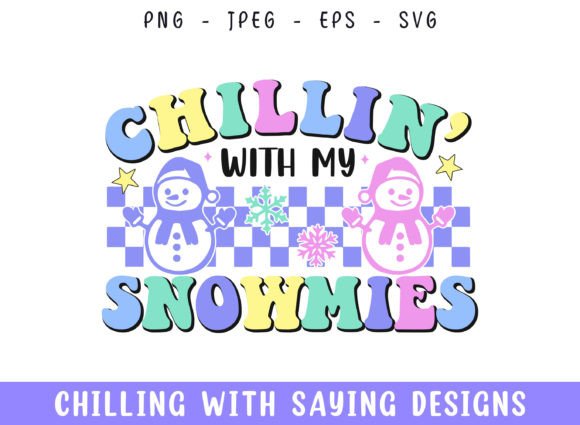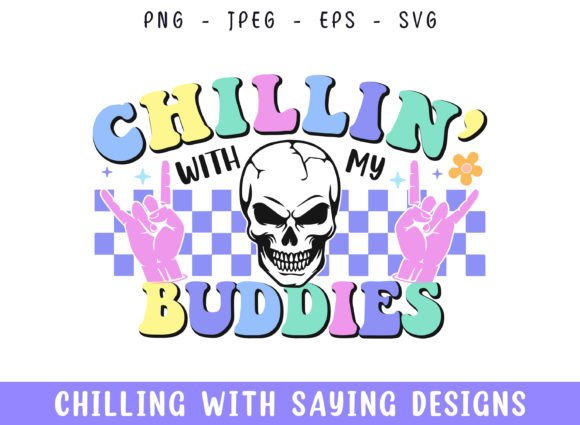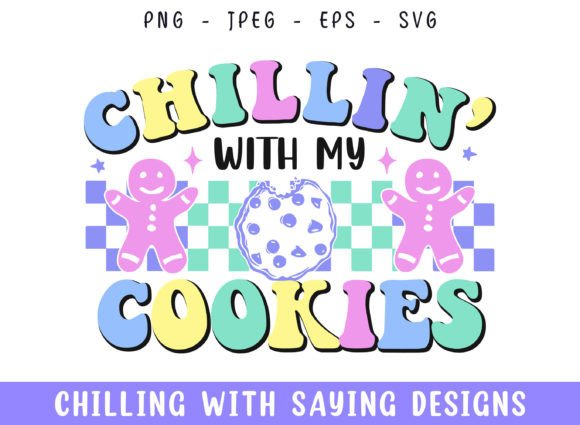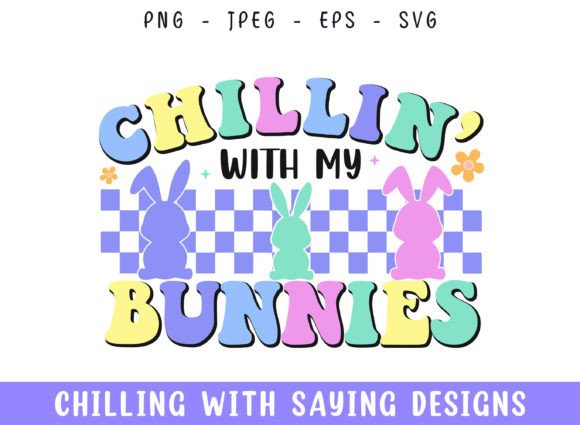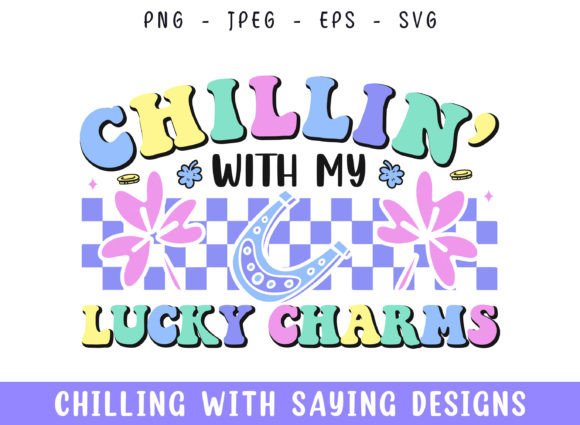
Chilling with My Lucky Charms Groovy SVG
When I pull a new design file into my digitizing software, I am rarely looking for just another image to stitch. As an embroidery designer and reviewer, I am hunting for viability. Does this machine embroidery design hold up under the needle? Will it translate well from a screen to fabric? Today, I am evaluating Chilling with My Lucky Charms Groovy SVG, a file that promises a retro aesthetic with the flexibility to adapt to various merchandise types. My goal is to strip away the marketing gloss and look at this as a practical asset for your craft business, Etsy shop, or personal creative projects.
The First Impression: Mood and Visual Personality
The moment you load Chilling with My Lucky Charms Groovy SVG, the vibe is immediate. It screams relaxed nostalgia. The groovy typography and the playful theme suggest a laid-back energy that resonates strongly with current trends in handmade apparel. Unlike rigid, formal designs, this one feels approachable. It creates a mood of comfort and fun, which is exactly what buyers are often seeking when they purchase personalized gifts or casual wear.
From a design perspective, the layout is clean. The shapes are bold enough to be recognizable even when stitched down to size. This is crucial because embroidery can sometimes lose definition if the negative space isn’t managed correctly. The visual personality here is distinct—it doesn’t try to be everything to everyone. It targets the hippie, retro, and casual fashion enthusiast. For an Etsy seller, this clarity is a strength. You know exactly who your customer is: someone who appreciates vintage aesthetics and wants a product that feels authentic and trendy.
Real-World Application: Where This Design Shines
I recently imagined using this embroidery file for a batch of custom tote bags for a local craft fair. The concept was simple: a sturdy canvas bag featuring this groovy graphic on the front pocket. Because the design allows for easy color changes, I could easily swap thread colors to match different bag fabrics. On a dark navy tote, using bright white or pastel threads would make the design pop, creating a striking contrast that draws the eye immediately.
This versatility makes it an excellent candidate for sweatshirt embroidery. The relaxed fit of a hoodie pairs perfectly with the "chillin'" attitude of the design. I also see this working beautifully as baby embroidery on muslin blankets or onesies. The soft, rounded lines of the groovy font are gentle on the eyes and safe for delicate skin, provided the stitching density is appropriate. Furthermore, its adaptability extends to kitchen textiles. A set of tea towels embroidered with this design adds a touch of whimsy to any home, making it a strong contender for holiday embroidery collections or housewarming gifts.
Technical Considerations and Fabric Compatibility
While the visual appeal is high, we must discuss the technical execution. The product description mentions it is made with 100 vector shapes, which suggests a high degree of scalability. However, in embroidery, scalability does not always equal stitchability. When testing this design on fabric texture variations, you need to be mindful of the surface.
This design performs best on stable, medium-weight fabrics like cotton twill, denim, or thick canvas. These materials provide the necessary structure to support the stitches without puckering. If you plan to use this on thin fabric or stretchy knits, you must use a proper stabilizer to prevent distortion. The risk of warping increases significantly on curved surfaces, such as caps or hats. While possible, placing a large, detailed design on the front panel of a cap requires precise hooping and potentially a smaller hoop size to maintain tension.
Another critical factor is thread colors. The design’s success relies heavily on contrast. On a white T-shirt, dark threads will define the shapes sharply. On a dark shirt, light or metallic threads are required to ensure the details aren’t lost. I advise creating a printable mockup in black and white before committing to thread choices. This helps you visualize how the positive and negative spaces interact without the distraction of color.
Where to Use with Caution
There are specific scenarios where this design might struggle. Avoid using it on highly textured fabrics like bouclé or heavy wool, as the needle penetration may be inconsistent, leading to skipped stitches. Additionally, if you attempt to resize this design too small, you risk losing the integrity of the groovy curves. Tiny lettering or intricate corners can become muddy if the stitch density is too high for the reduced scale. For products that require frequent washing, such as baby clothes or aprons, ensure that the stabilizer residue is completely removed after stitching to maintain the longevity of the finished product.
Impact on Brand and Customer Trust
In the world of small shop products, presentation is everything. A well-executed embroidery project signals professionalism and care. When a customer receives a tote bag or sweatshirt with crisp, clear stitching from Chilling with My Lucky Charms Groovy SVG, it builds trust. They perceive the item as higher quality, which justifies a premium price point. Conversely, a sloppy execution can undermine the brand’s credibility, regardless of the design’s inherent beauty.
This design also enhances brand consistency. Its retro vibe is timeless enough to remain relevant but trendy enough to feel current. By incorporating this into your design assets, you create a cohesive collection that appeals to a specific demographic. Whether you are selling commercial embroidery items or offering digital product previews, the consistent quality of your work speaks volumes about your expertise.
Practical Designer Notes Before You Stitch
Before adding this to your production queue, I recommend following these steps to ensure success:
- Test on scrap fabric: Always run a test stitch-out on the exact fabric and stabilizer combination you plan to use. This reveals potential issues with tension or density early.
- Check hoop size: Ensure your machine’s hoop size accommodates the final dimensions of the design. If the design is large, you may need to split it or choose a larger hoop.
- Inspect small details: Zoom in on the digital file to identify any tiny elements that might get lost in the stitching process. Simplify if necessary.
- Confirm licensing: Verify the license terms before selling finished items. Some files are for personal use only, while others allow commercial sales. This is vital for craft business owners.
- Review stitch density: High-density areas can cause fabric stiffness. Adjust the settings if you want a softer hand feel for garments like custom apparel.
Ultimately, Chilling with My Lucky Charms Groovy SVG is a versatile and visually appealing choice for designers looking to add a touch of retro charm to their repertoire. Its ability to change colors easily and its broad applicability across various products make it a valuable tool. However, success lies in the execution. By paying attention to fabric choice, stabilization, and thread contrast, you can transform this digital file into a stunning physical product that customers will love.
For those involved in Graphics and Crafts, this design bridges the gap between digital art and tactile creation effectively. It is not just a picture; it is a blueprint for a tangible experience. Treat it with respect, test it thoroughly, and you will find it to be a reliable addition to your embroidery project toolkit.