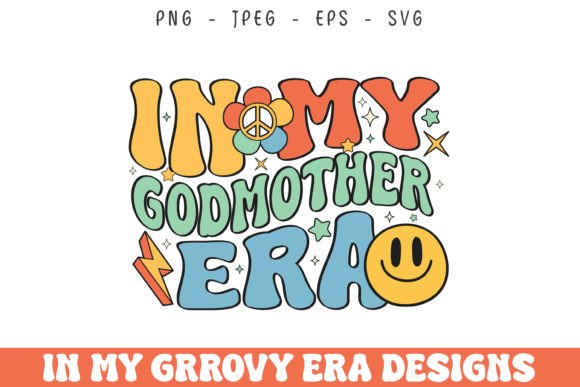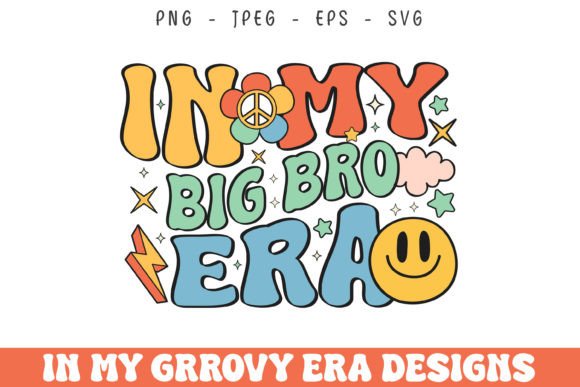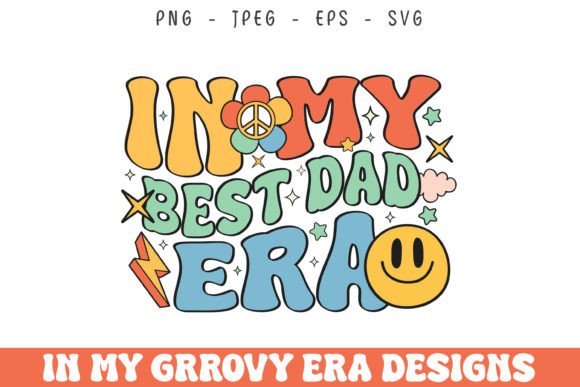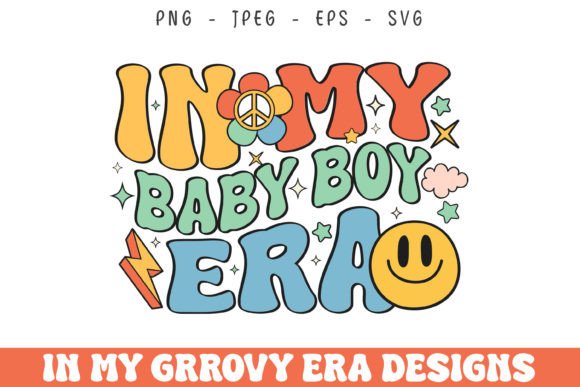
In My Baby Boy Era Groovy Retro Design
As a designer who spends half my life digitizing and the other half stitching, I have developed a certain skepticism toward new releases. We are all drowning in SVGs and embroidery files, so finding something that actually sparks joy—or at least practical utility—is rare. That is why I decided to put In My Baby Boy Era Groovy Retro Design through its paces. I didn’t just look at the preview; I thought about how it would behave under the needle, how it would sit on a garment, and whether a customer would actually want to wear or display it.
The title alone suggests a specific cultural moment, tapping into the current nostalgia wave. But does the visual execution hold up? Let’s break down what this design brings to the table for your craft business, personal projects, or client work.
First Impressions: Mood and Visual Personality
When you first load the file, the immediate takeaway is the vibe. It screams 1960s and 70s retro cool without being cliché. The "Groovy" aesthetic is everywhere right now, but In My Baby Boy Era Groovy Retro Design manages to feel fresh rather than dated. The layout likely features wavy typography and perhaps some hippie-inspired flourishes that lend themselves well to both modern streetwear and classic baby apparel.
From a design perspective, the visual personality is bold. It isn’t shy. This matters because embroidery is a tactile medium. A design needs to command attention even when stitched in thread. The retro theme allows for creative freedom with color palettes—you aren’t locked into pastel baby tones if you don’t want to be. You can go full psychedelic, stick to earthy boho tones, or keep it monochrome for a sleek, high-end look. This versatility is a huge plus for any craft business looking to appeal to diverse tastes.
Real-World Application: Where Does It Fit?
I often imagine these designs in real-life scenarios before committing to them. For In My Baby Boy Era Groovy Retro Design, my mind immediately went to a few key products:
- Baby Onesies and Rompers: This is the obvious choice. A groovy mama or baby boy theme fits perfectly here. However, placement is key. Center chest is standard, but a small left-chest placement or even a back-neck tag design can elevate the product from "generic gift" to "boutique item."
- Sweatshirts and Hoodies: Think oversized, vintage-wash cotton blends. The retro font style pairs beautifully with heavier fabrics. The contrast between the soft fabric and the structured embroidery adds value.
- Tote Bags: A canvas tote with this design becomes an instant statement piece. It works for mom-and-me outings, nursery decor bags, or even as a trendy accessory for older siblings.
- Aprons and Kitchen Towels: Don’t overlook the home goods angle. A "Groovy Mama" apron is a fantastic gift for a new parent who loves to cook. The durability of the embroidery makes it suitable for frequent washing, unlike printed designs that might crack.
If you are an Etsy seller or run a small shop product line, this design offers multiple revenue streams. You aren’t limited to one category. You can create a cohesive collection featuring matching mother and child items, which increases average order value.
Technical Considerations for Embroidery
Here is where the rubber meets the road. As a reviewer, I need to talk about stitch density, hoop size, and fabric interaction. While I cannot provide exact stitch counts without the raw data, I can offer guidance based on the nature of retro typographic designs.
Retro fonts often rely on thick, bold lines. In machine embroidery, this usually translates to dense fill stitches. Before you start production, you must check the stitch density. If the design is too dense, it can pucker lightweight fabrics like thin cotton onesies. If it is too sparse, it may look flimsy on sturdier materials like denim or canvas.
Stabilizer selection is critical. For stretchy knits (like t-shirts), a cut-away stabilizer is non-negotiable to prevent distortion over time. For woven fabrics like tote bags, a tear-away might suffice, but a wash-away backing ensures no residue is left behind. Always test on scrap fabric first. This simple step saves you from ruined inventory and angry customers.
Another technical note: thread colors. The description mentions the ability to change colors easily. This is a feature, not a bug. Test the design in black thread on white fabric, and white thread on black fabric. High contrast is essential for readability. If you plan to use metallic threads for a boho touch, ensure your machine handles them smoothly, as they can break more easily than standard polyester threads.
Potential Pitfalls and Careful Usage
No design is perfect for every surface. There are situations where In My Baby Boy Era Groovy Retro Design might struggle:
- Small Hoop Sizes: If the design includes intricate details or long word chains, shrinking it too much will result in muddy stitching. Keep it large enough to breathe.
- Textured Fabrics: Avoid bouclé wool or heavily textured knits. The needle will get caught, and the design will lose definition.
- Curved Surfaces: Embroidering directly onto a curved cap brim requires advanced hooping techniques. If you are new to caps, practice on cardboard templates first.
- Dense Stitch Areas: If the design has overlapping elements, ensure your machine doesn’t skip stitches due to excessive needle penetration in one spot.
Impact on Brand and Customer Trust
Quality presentation builds trust. When a customer receives a handmade product with crisp, clean embroidery, they perceive higher value. A poorly executed design—where letters are misaligned or edges are jagged—can damage your reputation as a designer or maker.
This design’s retro appeal taps into emotion. People buy "groovy" designs because they want to express a lifestyle or celebrate a milestone. By ensuring your finished product looks professional, you validate their purchase decision. Use high-quality mockups to showcase the design in different contexts. Show it on a sweatshirt, show it on a mug (if using sublimation-compatible files), and show it on a tote bag. Visual variety helps buyers imagine the product in their own lives.
Final Verdict: Is It Worth Adding to Your Library?
For those in the graphics and crafts space, In My Baby Boy Era Groovy Retro Design is a strong contender. It bridges the gap between nostalgic charm and modern trendiness. It is versatile enough for personal gifts and robust enough for commercial merchandise.
My advice? Do not just download and dump. Treat it as a project. Experiment with different thread brands. Try different fabric backgrounds. See how the wavy elements interact with your machine’s tension settings. The more you understand the file, the better your finished product will be.
If you are ready to tap into the baby and family market with a design that stands out, this is a solid choice. Just remember to check the licensing terms carefully before selling finished items. Ensure you have the rights to use it commercially. And always, always test first. Happy stitching!