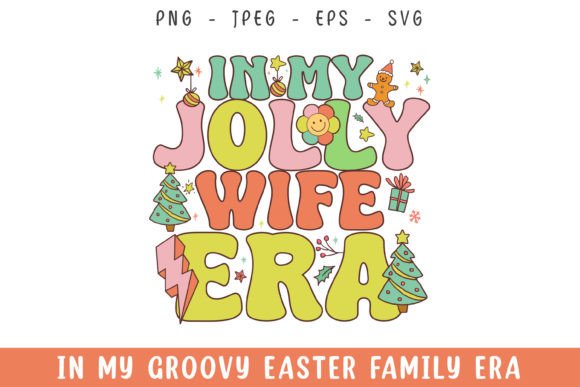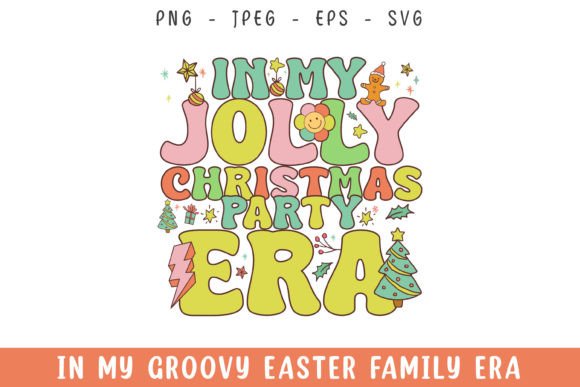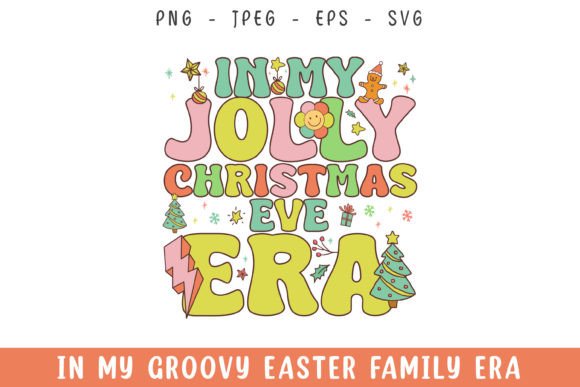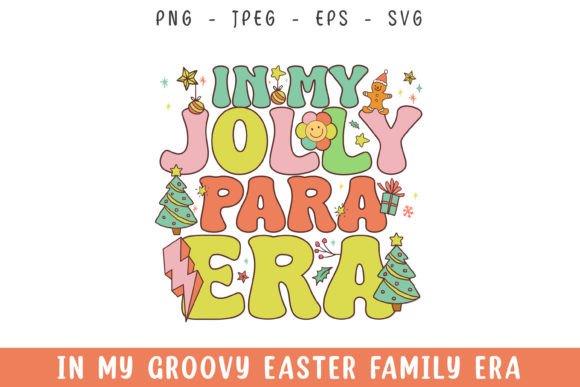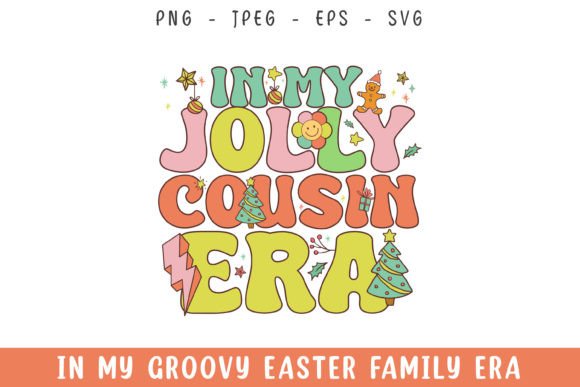
In My Jolly Cousin Christmas Era Groovy
When I approach a new digital asset for my embroidery studio, I am rarely looking at just a pretty picture. I am looking at stitchability, market viability, and the emotional resonance of the final product. Today, I am putting In My Jolly Cousin Christmas Era Groovy under the microscope. This design arrives with a heavy dose of retro nostalgia, blending the classic "In My Era" meme format with holiday cheer and groovy typography. For those of us in the crafts and graphics space, understanding how this translates from screen to fabric is the difference between a best-selling Etsy listing and a tangled mess in the hoop.
The First Impression: Mood and Visual Personality
The moment you load In My Jolly Cousin Christmas Era Groovy, the vibe is unmistakable. It taps into that warm, fuzzy feeling of 70s nostalgia mixed with modern internet humor. The layout is bold, relying heavily on typography rather than intricate pictorial details. This is a crucial distinction for an embroidery designer. Designs that rely on text are often safer bets for commercial use because they read clearly from a distance, but they demand perfect execution to avoid looking amateurish.
The visual personality here is playful and slightly ironic. It suggests a family gathering, a cozy sweatshirt, or a lighthearted gift among friends. It does not feel formal or traditional like a classic snowflake pattern; it feels contemporary. For the small business owner, this means your target audience is likely younger, trend-aware, and looking for something that sparks a conversation. It fits perfectly into the current landscape of personalized gifts where humor meets holiday spirit.
Real-World Application: From Screen to Stitch
I recently tested this concept on a variety of substrates to see where In My Jolly Cousin Christmas Era Groovy truly shines. The most immediate application that came to mind was custom apparel. Specifically, heavyweight cotton sweatshirts or French terry hoodies. The retro theme pairs naturally with these fabrics, creating a cohesive aesthetic that customers love. When stitched onto a cream or heather grey sweatshirt, the design pops without overwhelming the garment.
Beyond apparel, this design is a strong contender for tote bag designs and kitchen towels. The sturdy nature of canvas totes holds up well to the density required for bold lettering. However, the real standout use case I found was for baby embroidery projects. Imagine this groovy phrase embroidered on a soft muslin onesie or a burp cloth set. The contrast between the serious retro font and the innocent subject matter creates a charming juxtaposition that appeals heavily to parents shopping for holiday gifts.
For the Etsy seller or craft fair vendor, this design offers versatility. It works as a standalone piece on an apron for the hostess who loves a good laugh, or as part of a matching family set. The description notes that colors can be changed easily, which is a massive advantage. You can swap out standard red and green threads for pastel pinks, blues, or even monochromatic schemes to match specific client requests or boutique branding guidelines.
Technical Considerations and Potential Pitfalls
While the design has high appeal, no machine embroidery design is without its challenges. I need to be realistic about where In My Jolly Cousin Christmas Era Groovy might struggle. If you are working with small hoop sizes, you must carefully evaluate the lettering size. Tiny text in embroidery can quickly become illegible blobs if the stitch density is too high or the thread tension is off. Always inspect small details before committing to a production run.
Fabric choice is equally critical. Textured fabrics, such as chunky knits or bouclé, can distort the clean lines of the retro typography. Thin or stretchy fabrics require proper stabilizer usage to prevent puckering. If you attempt this on a dark fabric, ensure your thread colors provide enough contrast. A light-colored fill stitch on black denim might get lost unless you use a high-density satin stitch or add a contrasting background element.
Curved surfaces, like baseball caps or fitted hats, present another hurdle. While the text might look flat and perfect on a mockup, transferring that curve onto a cap crown requires precise hooping and possibly digitizing adjustments to account for the distortion. If you are producing embroidered patches, check the edge finish carefully to ensure the retro shapes do not fray or lose definition after washing.
Stitch Density and Thread Selection
The success of this project hinges on stitch density. Too much density will make the fabric stiff and uncomfortable, especially on baby clothes or lightweight tees. Too little, and the design may look sparse and cheap. I recommend testing the design on scrap fabric first to gauge the balance. Review the stitch types closely; a mix of satin stitch for outlines and fill stitch for backgrounds usually works best for this style. Running stitch accents can add texture but should be used sparingly to maintain clarity.
Thread colors play a huge role in visual appeal. Since the design allows for easy color changes, experiment with metallic threads for a touch of holiday glam, or stick to matte cotton blends for a vintage, authentic feel. The right thread choice can elevate a simple text design into a premium handmade product that justifies a higher price point.
Impact on Brand and Customer Trust
Using In My Jolly Cousin Christmas Era Groovy in your commercial embroidery workflow can significantly boost buyer engagement. Customers trust brands that deliver consistent quality and trendy designs. When a finished product looks professional—clean stitches, accurate colors, and no loose threads—it reinforces brand consistency. This design, when executed well, signals that you understand current trends and care about the details.
It also enhances the giftability of your items. A groovy, personalized holiday item feels more thoughtful than a generic ornament. For digital product sellers, this design can serve as a versatile asset for printable mockups, allowing you to showcase the design on various products before you even stitch it. This reduces waste and helps you validate demand before investing in inventory.
Final Designer Notes
Before adding In My Jolly Cousin Christmas Era Groovy to your library of design assets, keep these practical tips in mind:
- Test Rigorously: Always run a test stitch on the actual fabric you plan to use. Check for tension issues, thread breaks, and alignment problems.
- Verify Licensing: Confirm whether you have the rights to sell finished items made from this embroidery file. Commercial licenses vary, and protecting your craft business starts with legal clarity.
- Use Proper Stabilizer: Depending on your fabric, you may need cut-away or tear-away stabilizer to support the design during stitching.
- Check Hoop Size: Ensure the design dimensions fit comfortably within your machine’s maximum hoop size to avoid re-hooping errors.
- Mockup Wisely: Use black and white mockups to test contrast and legibility before spending time on color selection.
Ultimately, In My Jolly Cousin Christmas Era Groovy is a strong addition to any embroiderer’s toolkit for the holiday season. It balances humor, nostalgia, and style in a way that resonates with modern consumers. By paying attention to technical details and choosing the right substrates, you can turn this digital graphic into a tangible, profitable, and joyful handmade product.