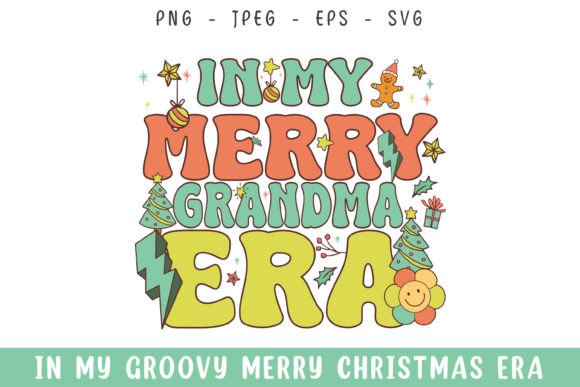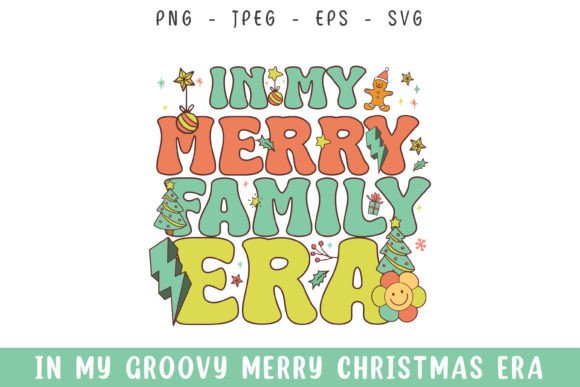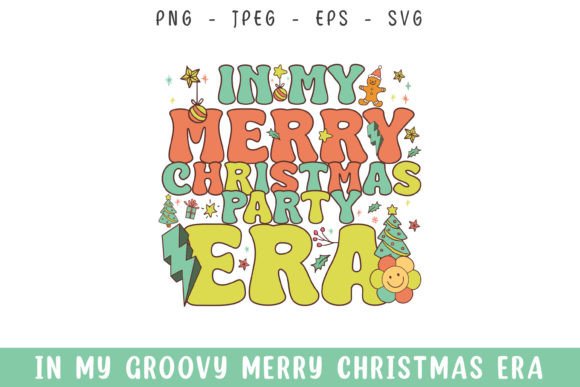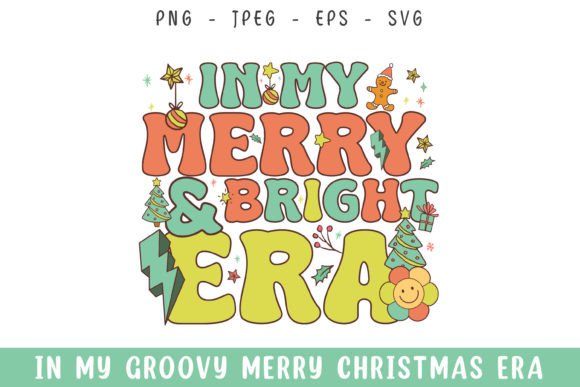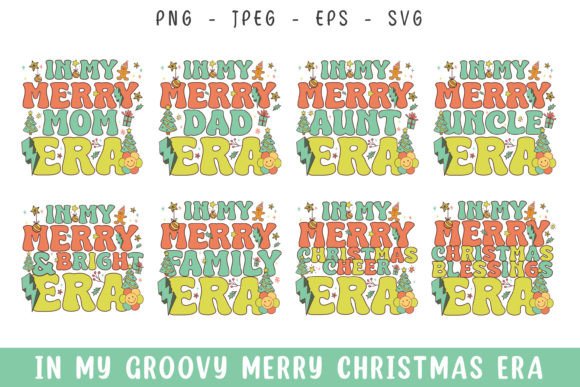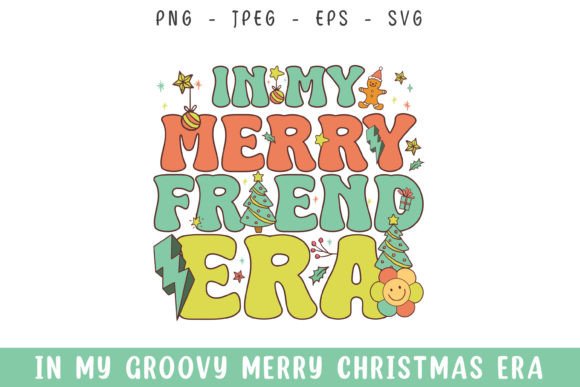
In My Merry Friend Christmas Era Groovy Review
As a designer who spends half my life staring at stitch charts and the other half worrying about whether a client’s budget matches their aesthetic expectations, I don’t just look at an embroidery file. I look for viability. I look for how a design translates from a vector screen into physical thread on fabric. When In My Merry Friend Christmas Era Groovy landed in my queue, my first thought wasn’t about the holiday cheer—it was about execution. This piece carries that specific late-60s, early-70s psychedelic vibe that has been dominating craft fairs and Etsy feeds lately. But does it hold up when you’re actually stitching it onto a garment?
The title itself suggests a playful, nostalgic mood. The "Groovy" aspect implies curves, bold shapes, and a retro color palette that demands attention. For the modern embroiderer, especially those running small businesses or creating personalized gifts, the challenge is always balancing trendiness with timelessness. Does this design feel dated in three months? Or does it have that classic appeal that keeps selling year after year? Let’s break down what makes this design tick, where it shines, and where it might trip you up during production.
First Impressions and Visual Personality
The visual personality of In My Merry Friend Christmas Era Groovy is loud but controlled. It doesn’t scream; it struts. The layout leverages the era’s love for typography-driven graphics, likely mixing flowing script with bold, geometric accents. From a design perspective, this is crucial. Many retro designs fail because they are too busy, creating visual noise that gets lost once stitched. However, this design seems to prioritize legibility while maintaining that hippie-chic aesthetic.
The mood it creates is warm, inclusive, and slightly whimsical. It feels like something you would wear to a cozy holiday gathering or give to a friend who appreciates vintage aesthetics. For custom apparel decorators, this is a winning combination. It moves away from the traditional red-and-green clichés and taps into a more sophisticated, bohemian holiday style. This appeals directly to the demographic that shops at boutiques rather than big-box stores. If you are targeting customers who value handmade product uniqueness, this design hits the right note immediately.
Real-World Application: Where It Fits Best
I often think about a design by imagining the finished product sitting on a shelf. With In My Merry Friend Christmas Era Groovy, several scenarios pop up instantly. First, there is the tote bag design potential. A canvas tote embroidered with this groovy motif becomes an instant statement piece for holiday shopping trips. The sturdy nature of canvas can support the weight of the stitches without puckering, provided you use the right stabilizer.
Then there is the sweatshirt embroidery angle. Think heavyweight cotton fleece in heather grey or cream. The retro colors will pop against these neutral backgrounds, creating a high-end look that justifies a premium price point. This is perfect for Etsy seller listings looking to capture the gift-giving season. Parents buying personalized gifts for teenagers or young adults often seek out designs that aren’t childish but still festive. This design bridges that gap perfectly.
It also works beautifully as an embroidered patch. Imagine applying this to a denim jacket or a plain beanie. The versatility of the theme allows it to function as both a holiday-specific item and a general winter accessory. For small shop product creators, this dual-purpose quality is gold. You aren’t stuck clearing inventory after December 25th if the design has enough standalone appeal.
Technical Considerations and Stitch Behavior
However, enthusiasm must be tempered with technical reality. Not all fabrics play nice with complex retro designs. The description notes that the design allows for easy color changes, which is excellent for adapting to different garments. But when we talk about thread colors, contrast is king. On dark fabrics, you need bright, saturated threads to maintain the groovy vibe. If your threads are dull or muddy, the design loses its energy.
One area to watch closely is the stitch density. Retro designs often feature large fill areas or intricate lettering. If the density is too high, the fabric may pucker, especially on lightweight materials like thin t-shirts or delicate baby clothes. Before committing to a full run, always test the design on scrap fabric. Check how the stabilizer interacts with the base material. For stretchy knits, a cut-away stabilizer is usually non-negotiable to prevent distortion over time.
Also, consider the hoop size. If the design is meant to be placed on a curved surface like a cap, ensure your machine can handle the curvature without distorting the central text. Tiny lettering within the groovy swirls needs to be inspected under magnification. If the gaps between the satin stitches are too narrow, the needle might hit the same spot repeatedly, causing thread breaks or visible imperfections. This is particularly important for commercial embroidery projects where consistency is key to customer trust.
Where to Use It Carefully
While this design is versatile, it isn’t universal. Avoid using it on highly textured fabrics like heavy wool or bouclé, as the details will get lost in the weave. Thin fabrics require extra care; without proper backing, the tension of the fill stitch can pull the material into unsightly waves. Additionally, if you are producing items that will undergo frequent washing, such as kitchen towels or aprons, ensure your thread quality is top-tier. Cheap polyester thread may shine too brightly, clashing with the matte finish of vintage-style cottons.
Another cautionary note involves layered garments. If you plan to layer this design over another element, check the spacing. Cluttered designs can overwhelm the eye. The beauty of In My Merry Friend Christmas Era Groovy lies in its balance. Don’t compete with it. Let the design breathe.
Affecting Brand and Customer Perception
For craft business owners, the perception of quality is everything. A well-executed embroidery project signals professionalism. When a customer receives a finished product that looks crisp, with clean edges and consistent tension, their confidence in your brand grows. They are more likely to leave positive reviews and return for future purchases.
This design specifically enhances brand consistency for shops that focus on vintage, bohemian, or artisanal styles. It aligns with current trends in design assets that favor nostalgia and authenticity. By offering this design, you are signaling that you understand the cultural moment. You are not just selling a shirt; you are selling a feeling of connection and joy during the holidays.
Furthermore, the "groovy" theme encourages social sharing. Customers love to post photos of unique, aesthetically pleasing items. A well-stitched version of this design is Instagram-worthy. It increases organic reach for your Etsy listing or social media pages. In today’s market, visual appeal drives engagement, and engagement drives sales.
Final Designer Notes
Before you upload In My Merry Friend Christmas Era Groovy to your digitizing software, take a moment to review the file structure. Confirm the licensing terms if you intend to sell the digital embroidery file or the physical goods. Some designers retain strict rights over commercial usage, so clarity here protects your livelihood.
Experiment with applique design techniques if the file supports it. Combining applique with embroidery can add depth and texture, elevating a simple tee to a boutique-level item. Test black and white mockups to ensure the silhouette reads clearly even without color. This helps you identify any weak points in the shape definition.
Ultimately, In My Merry Friend Christmas Era Groovy is a strong candidate for anyone looking to add a touch of retro flair to their holiday collection. It balances trendiness with practical application, making it suitable for everything from baby embroidery gifts to adult fashion statements. Just remember: the best designs are only as good as the execution. Take your time, choose your materials wisely, and let the groovy vibes do the rest.
If you are ready to dive into this embroidery project, start with a test run. Inspect the running stitch outlines and the satin stitch coverage. Ensure your fabric texture complements the design’s energy. With careful planning, this design can become a staple in your repertoire, driving sales and delighting customers throughout the season.